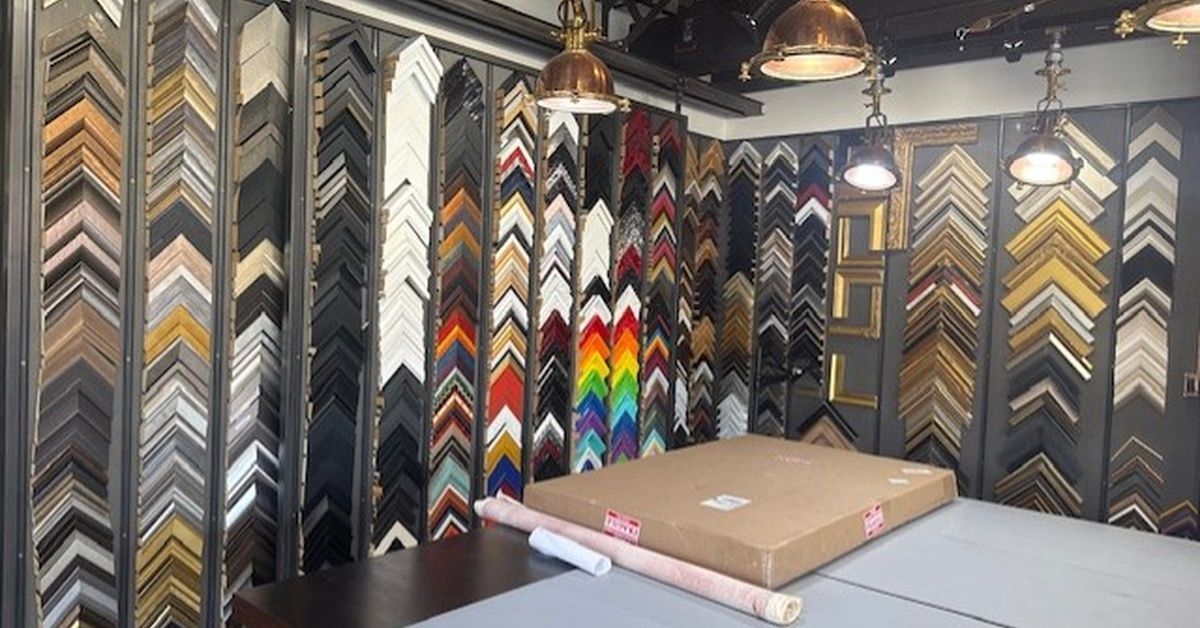
Benefits of Choosing a Wood Frame for Your Art
The texture and tone of a piece of art are stunning on their own. When placing the beautiful art in a frame, the structure needs to amplify those qualities.
There are numerous benefits of choosing a wood frame for art . Wood’s natural grain, strength, and design opportunities will add depth to the artwork.
Wood Brings Natural Visual Character
No two pieces of natural wood share an identical grain pattern. Small shifts in color and texture create individuality around the artwork. Even a simple profile gains dimension as light catches the grain at different angles. Painted molding offers a consistent surface whereas stained wood leaves more of the material’s natural character visible.
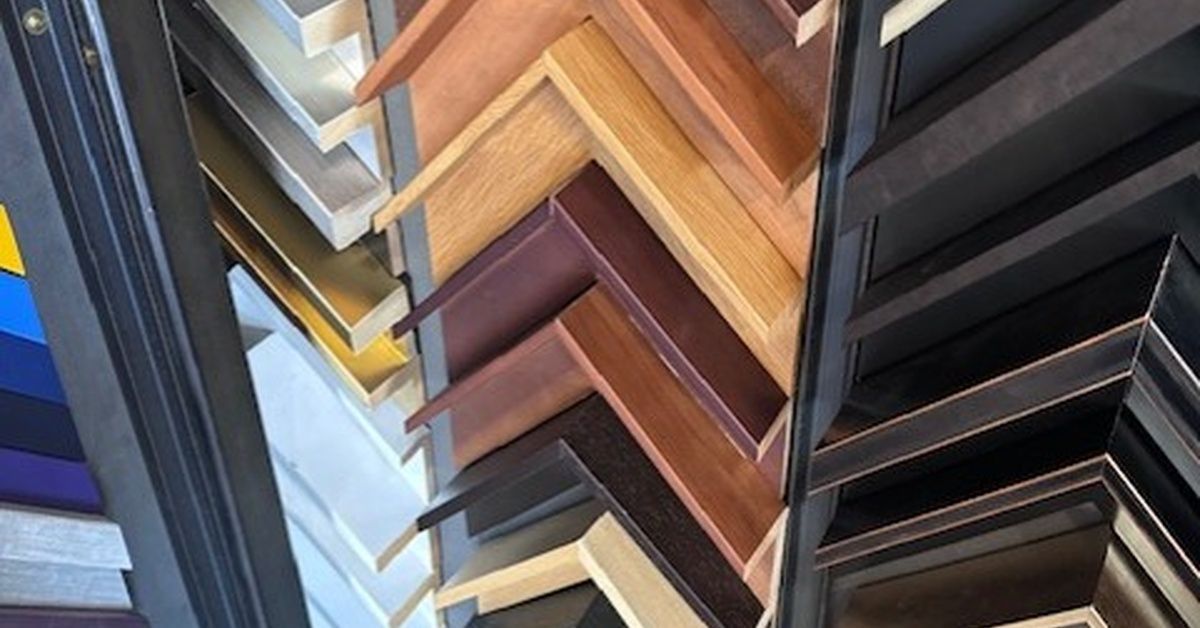
Species selection changes the frame’s presence before profile details enter the conversation. Some woods carry dark tones and strong grain, whereas others create a soft visual effect. Stains deepen those characteristics or shift the color toward elements in the artwork. The result connects with the piece because the frame carries its own organic variation.
Walnut for Strong Visual Weight
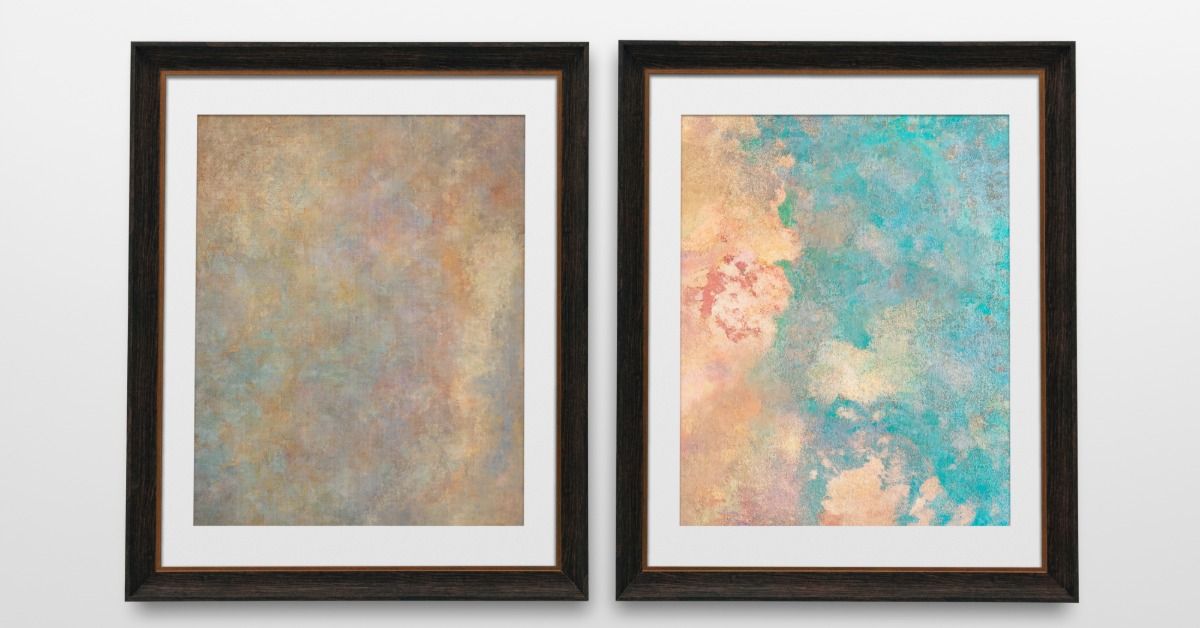
Walnut carries rich brown coloring and a grain pattern with noticeable movement. Its deep brown presence works especially well beside artwork with strong contrast and saturated color. A rich stain will exude a formal appearance, and a clear finish keeps the natural variation apparent.
Cherry for Warm Visual Depth
Art with earth-toned color pallets benefit from the warm reddish cast of cherry wood. The smooth grain offers a refined surface that won’t overpower delicate imagery. Stain choices shift cherry toward rich red or brown tones. By using a pale finish, you’ll be able to preserve the species’ natural warmth around soft neutrals or warm pigments.
Mahogany for a Refined Presence
The warm brown and reddish tones of mahogany provide a polished appearance. The character of this wood species suits artwork with a formal mood or strong historical influence. Mahogany works well with shaped profiles because its fine texture supports crisp decorative detail.
Burl Wood for Distinctive Pieces
Burl wood stands apart from many wood species because its grain forms irregular swirls and clusters. Even without a stain, the patterns bring movement to the frame’s design. A narrow burl profile acts like a natural accent around artwork with subtle coloring. Transparent or lightly toned finishes preserve the unusual grain, so the frame remains distinctive without carved decoration.
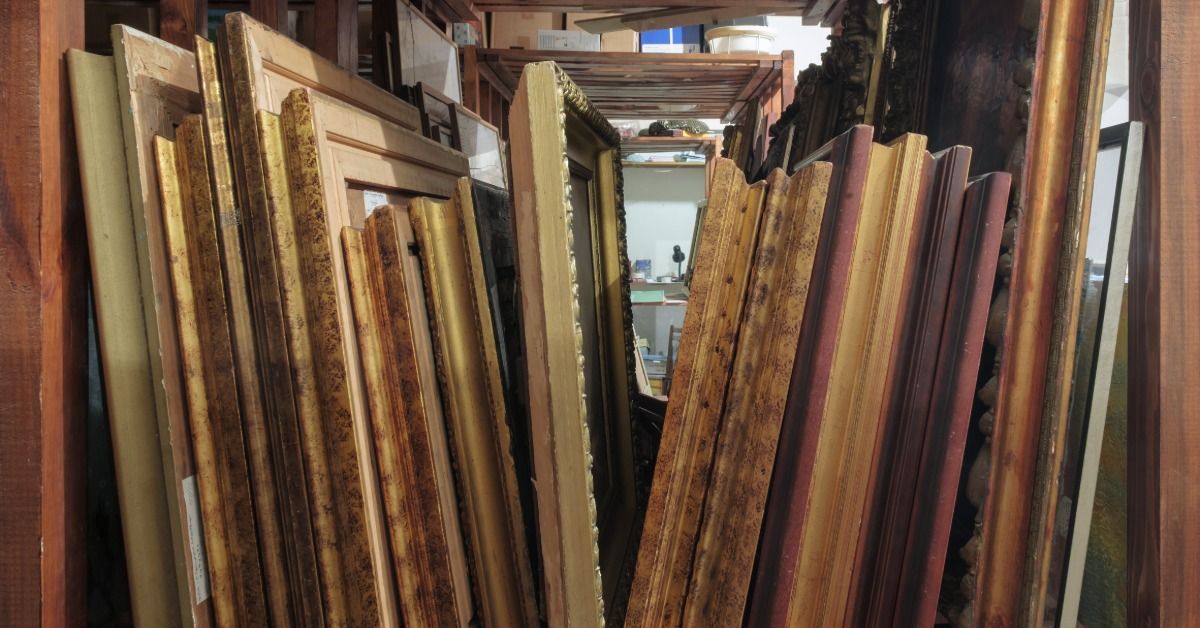
Wood Adapts to Different Design Styles
Wood doesn’t belong to one decorating category. Profile shape and finish shift the same basic material from relaxed to polished. This range supports the artwork’s visual language and avoids forcing every piece into a traditional appearance.
Rustic Profiles Add Organic Warmth
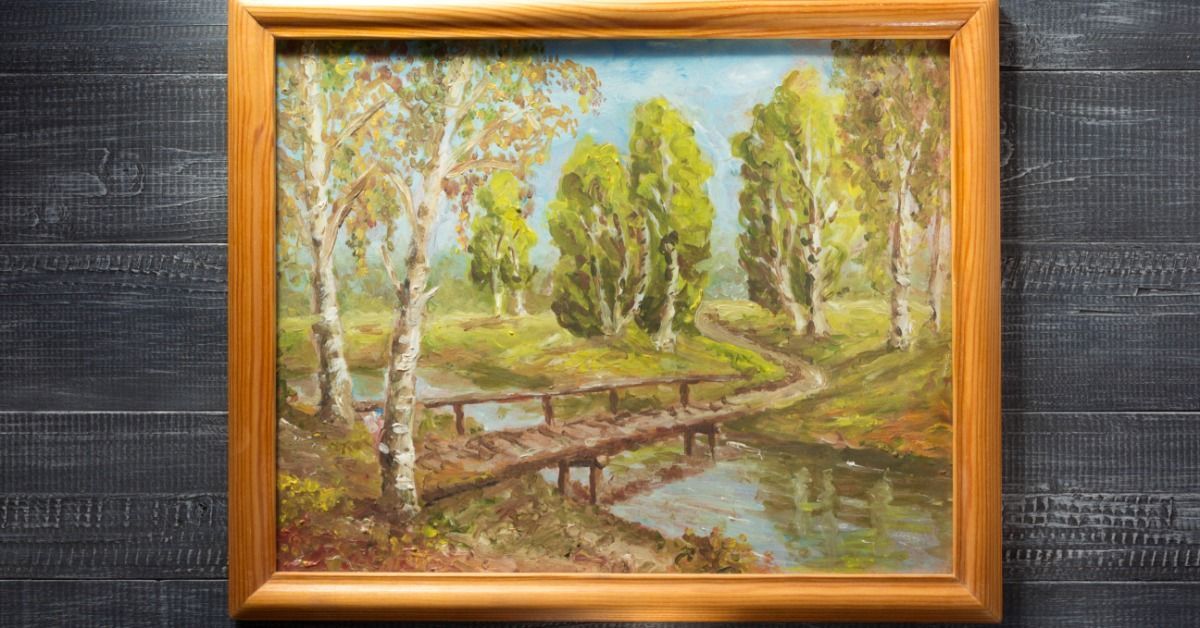
Rustic designs benefit from visible grain and finishes with a natural appearance. A textured frame echoes the brushwork in a landscape or the weathered character of folk art. Warm brown tones reinforce an earthy presentation without making the frame appear overly formal. The use of distressed finishes adds texture to accentuate artwork with a handmade quality.
Contemporary Profiles Keep Lines Crisp
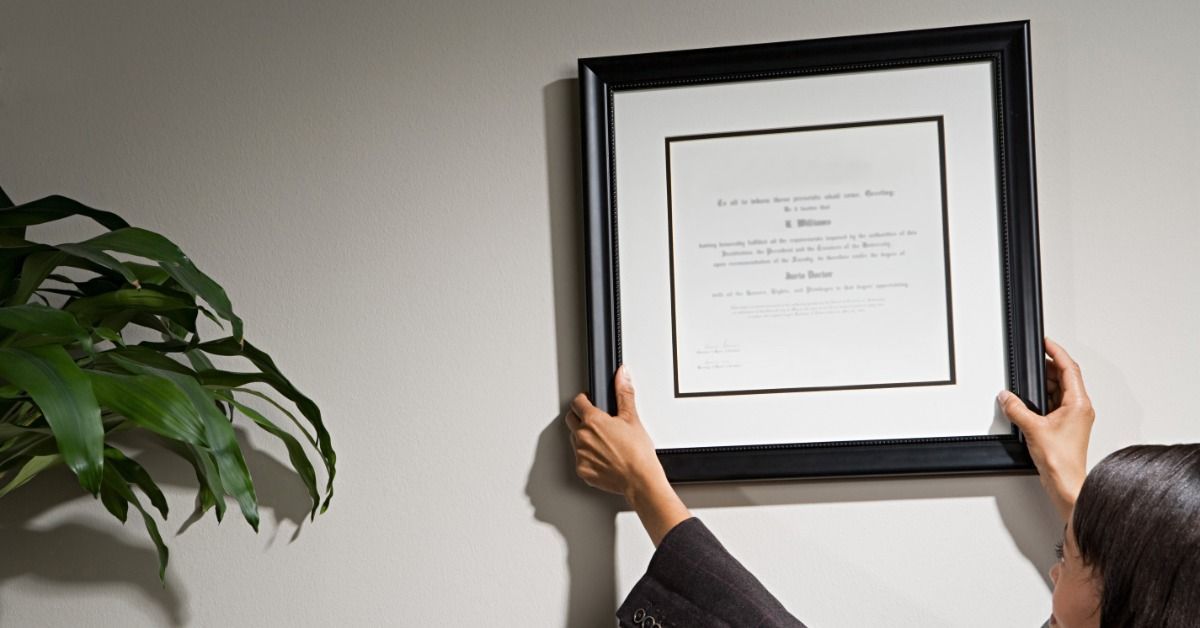
Contemporary framing uses wood successfully with minimal decorative detail. Straight profiles and smooth finishes keep attention on shape and proportion. Black or deeply stained wood creates a defined edge around abstract art or graphic prints. On the other hand, light natural wood highlights the grain to increase the frame’s depth.
Traditional Profiles Carry Strong Presence
Traditional artwork pairs naturally with a frame that has substantial depth and surface detail. Wood supports carved profiles and layered edges with a substantial border around the piece. Rich stains strengthen the relationship between the frame and a classical painting. Carved elements that accentuate the art will prevent the frame from overtaking the piece’s details.
Wood Offers Dependable Structural Strength
Wood gives art frames a naturally sturdy foundation. Its inherent strength helps the frame support the artwork while maintaining its shape over time. This makes wood a dependable choice for both narrow profiles and designs with several intricate details.
A substantial hardwood profile offers useful rigidity around large pieces or deep canvases. Walnut, cherry, and mahogany are a few favorable materials that have flexible design properties as well as a sturdy structure. Fine-grained woods hold detailed shaping well when the design includes carved or molded edges. These qualities won’t limit the frame’s style or diminish the wood’s ability to provide lasting support.
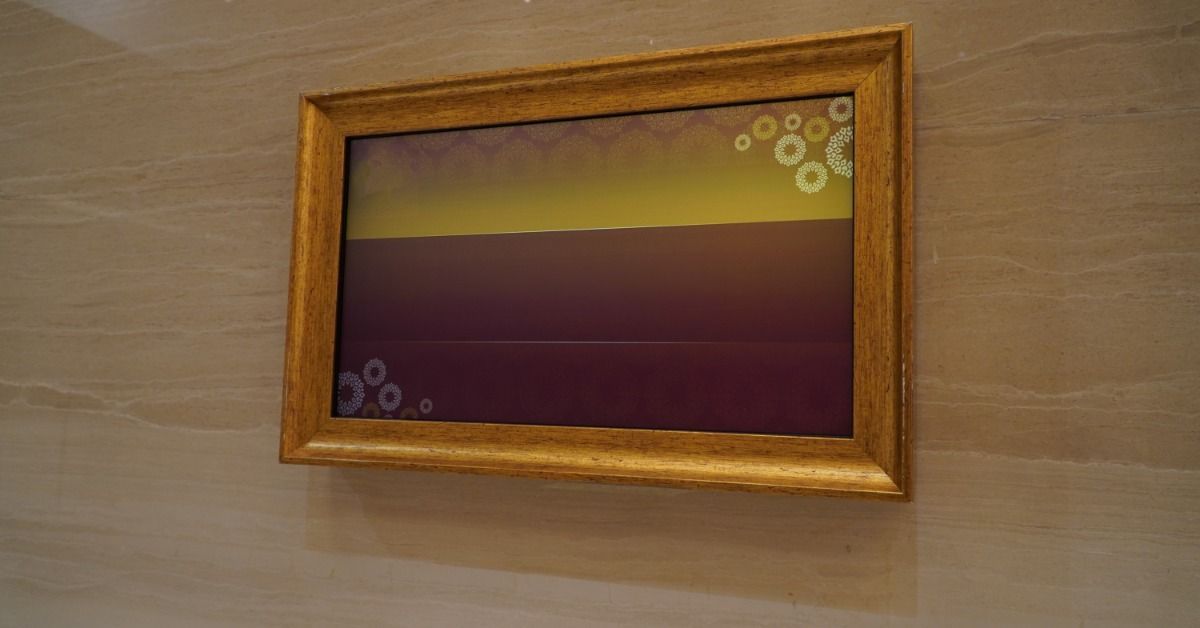
Wood Complements Various Art Surfaces
Artwork surface affects how much depth and visual weight a frame should provide. Wood offers enough profile variety to accommodate flat works and dimensional painted surfaces. Its natural texture pairs comfortably with materials already showing visible brushwork or paper texture.
Canvas Pieces
Canvas paintings have physical depth because the fabric stretches around a support structure. A substantial wood profile matches this depth around the painted surface. Oil and acrylic paintings tend to carry visible texture across the surface. By using a smooth frame, the wood will contrast the brushstrokes perfectly.
Watercolor Paintings
Transparency and delicate shifts in pigment are important in watercolor paintings. Wood surrounds those detailed qualities with warmth. Instead of introducing a hard visual edge, fine-grained species add definition.
Art Prints
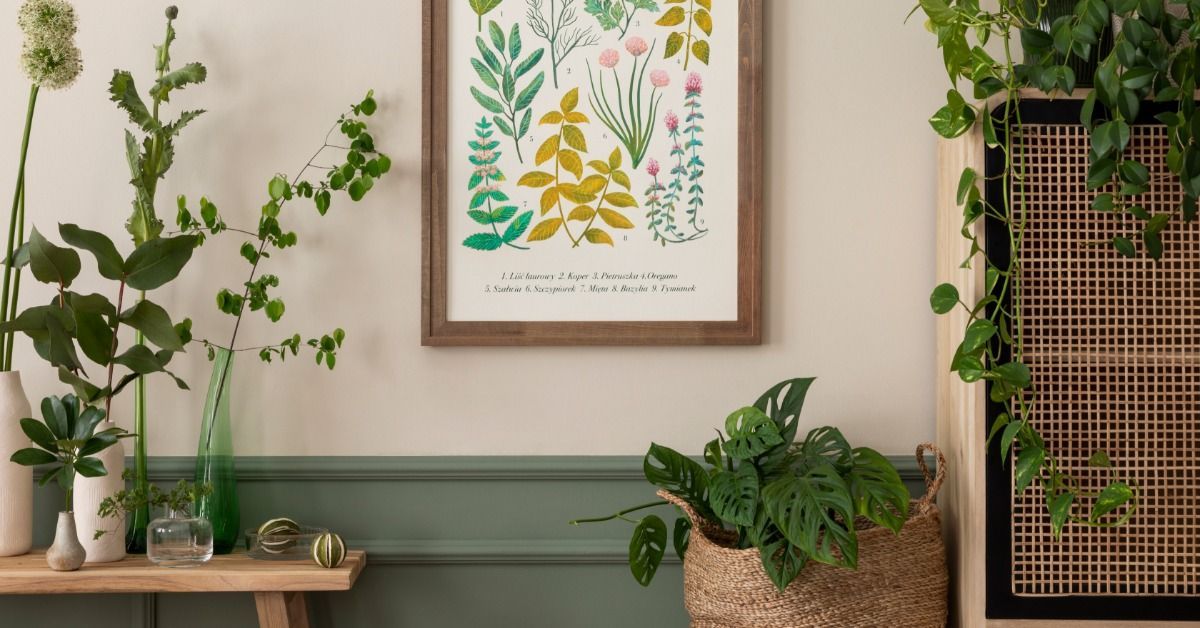
Prints vary widely in subject and visual intensity. Wood accommodates this range because the profile moves from minimal to decorative without changing materials. A simple black wood frame suits bold graphic work, whereas a natural finish softens a detailed illustration. Photography benefits from the same flexibility because dark or warm wood responds to different tonal qualities.
Protect Your Art With a Stunning Presentation
A frame serves a functional purpose for artwork, but the design is equally important. Choosing a wood frame for your art is all about making the piece feel complete. By balancing visual character with dependable structure, you’ll be able to select a beautiful species and finish to enhance the art.
Through Complete Pictures’ custom art framing, we offer a broad selection of wood frame styles. From choosing the species to determining the level of intricacy, framing a cherished piece of art is effortless. Visit our Houston showroom to explore more of our options and envision the new presence your art deserves.