Tips for Framing and Displaying Limited Edition Prints
People love collecting art for all kinds of reasons, from the thrill of finding a rare print to the joy of living with something beautiful every day. Still, there’s no reason for a limited edition piece to sit in a pile or gather dust in storage while you wait for the right time to display it. Having a good idea of how to frame and display limited edition prints will make showing off the piece simple.
Keep the Print Clean
The print itself may be durable, but it’s not invincible. The corners and edges could crinkle or bend, and the oils from your hands might stain the surface.
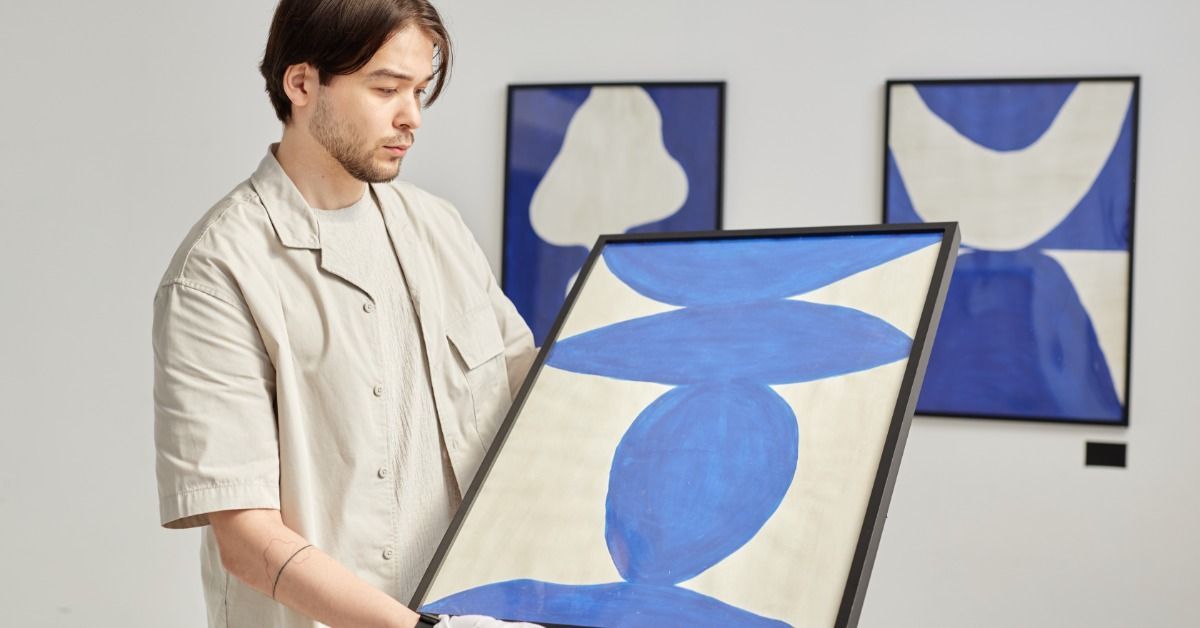
Keep the print in a plastic covering for as long as possible. When it comes time to move it to a frame, work on a clean, dry, flat surface. Wash and dry your hands well, or use cotton gloves if the print has a delicate surface or deep paper texture.
Support the sheet fully when lifting it; you never want to pinch a single corner. The action causes a surprising amount of creasing.
If the print arrived rolled, resist the urge to flatten it by force. Let it settle into place gradually. Quick fixes tend to leave pressure marks or uneven waves that protrude from the mat and frame.
Choose Archival Materials
The materials around the print shape its future just as much as the artwork itself. Low-quality mats, backing boards, and adhesives introduce acids that stain paper and weaken fibers. Use acid-free, lignin-free mat board and backing that prevent discoloration.
Next, choose your preferred glaze. Glass and acrylic materials are great. Acrylic weighs less and works well for large pieces, while glass offers a crisp surface and resists scratching better in some settings. However, ultraviolet-filtering glazing offers substantial protection against fading. Simply remember that the right choice depends on the print and the display location.
Give the Print Room To Breathe With a Mat
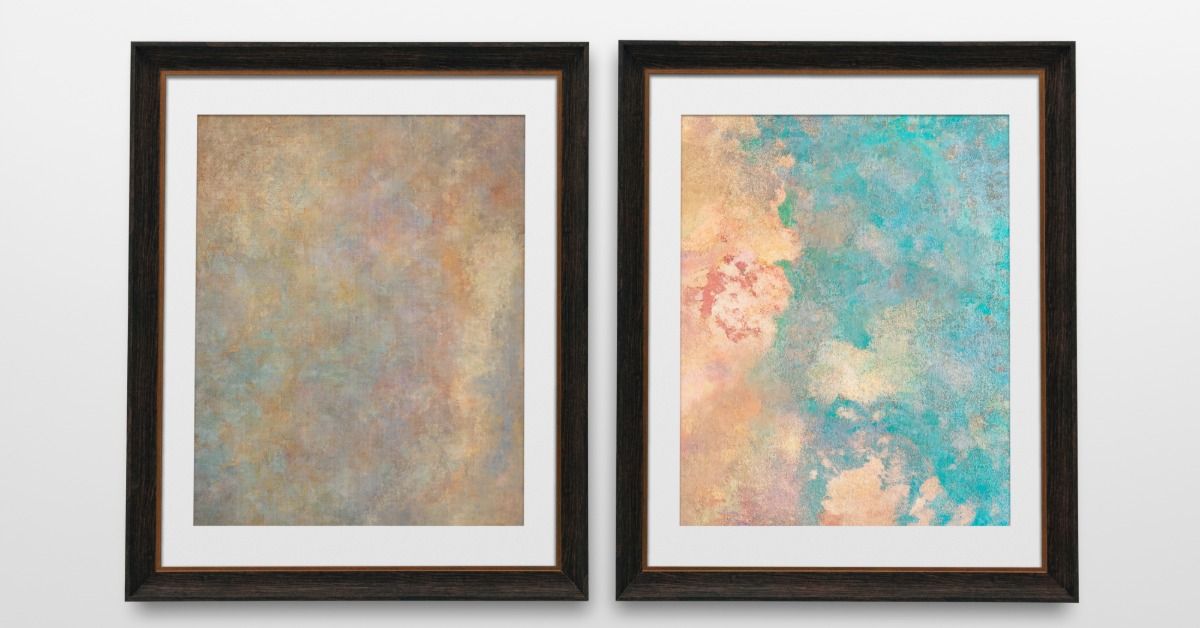
Cramming a special piece of art directly into a frame can detract from its beauty. Mats create visual breathing room, so people’s eyes fall directly to the art. But that’s not all they do.
An appropriately sized mat separates the artwork from the glazing. Condensation, static, or direct contact won’t damage the surface.
That spacing becomes even more important for prints with rich pigment, deckled edges, or embossed details. If the artwork sits right against the glazing, small shifts in humidity may cause sticking or transfer. Once that happens, your limited edition art might suffer.
Complement the Room’s Design
Once the print has a protective layer, turn your attention to the room where it will live. Dropping the piece into the room without considering its design won’t highlight the art’s beauty.
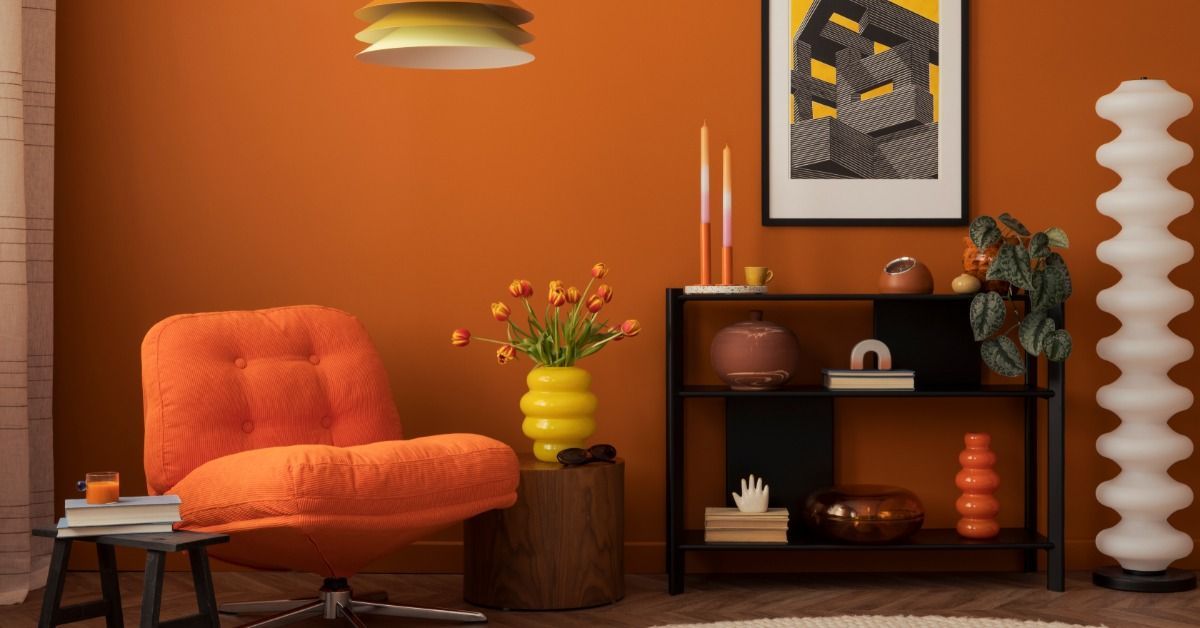
The artwork should still lead the conversation. The frame should support it, sharpen it, and tie it into the room. The color, finish, scale, and profile will shape that connection.
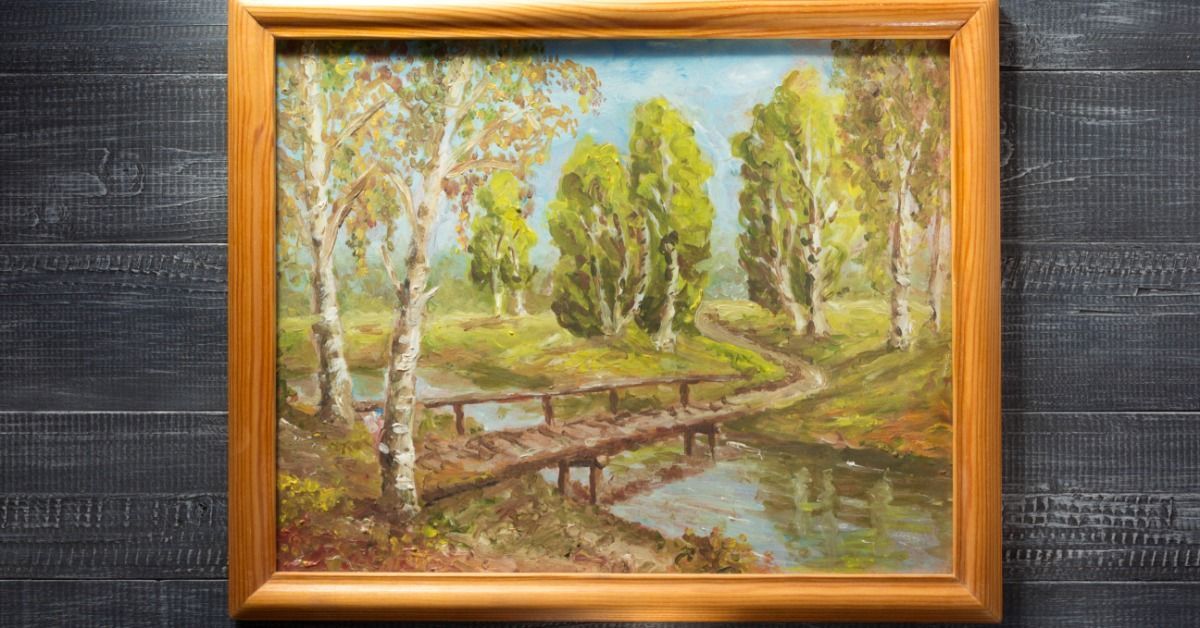
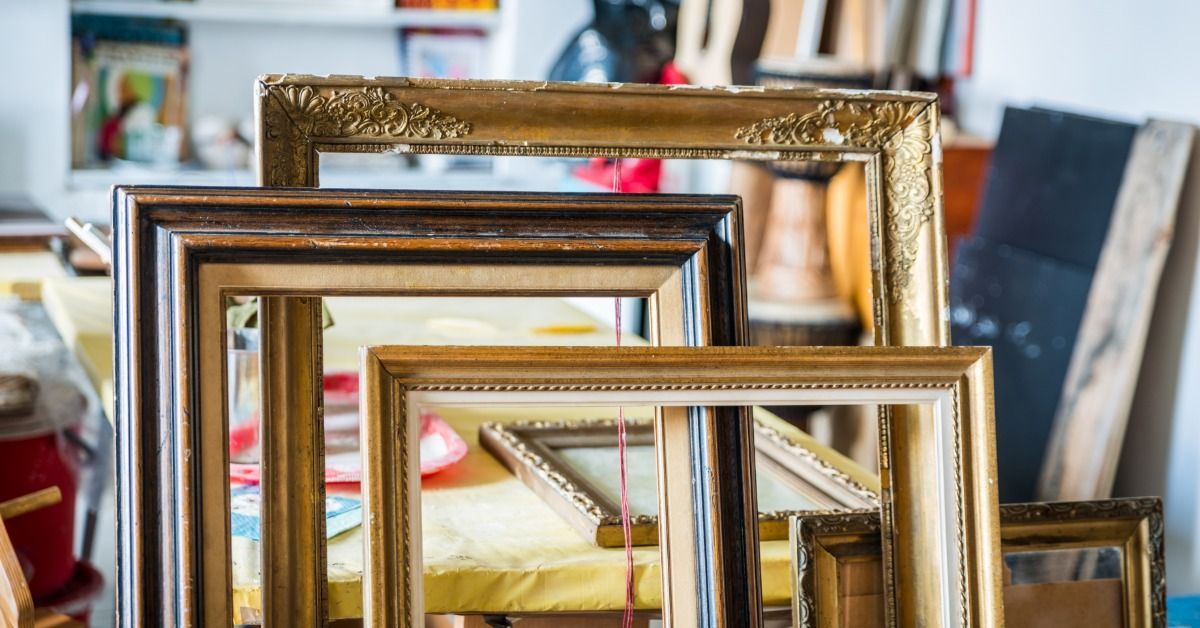
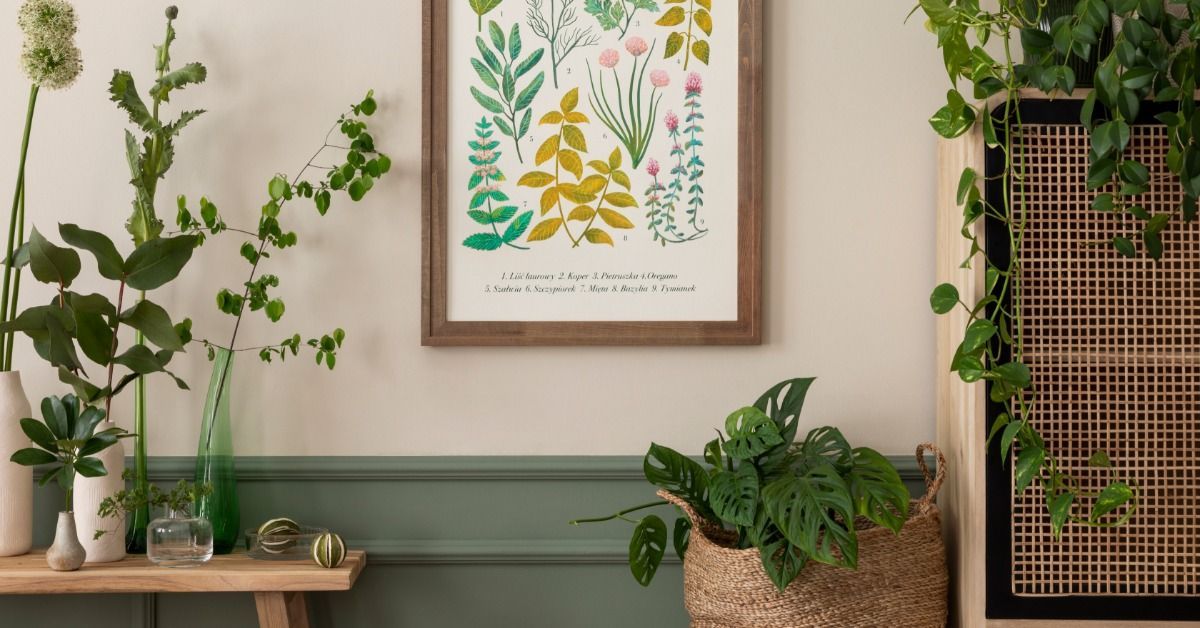
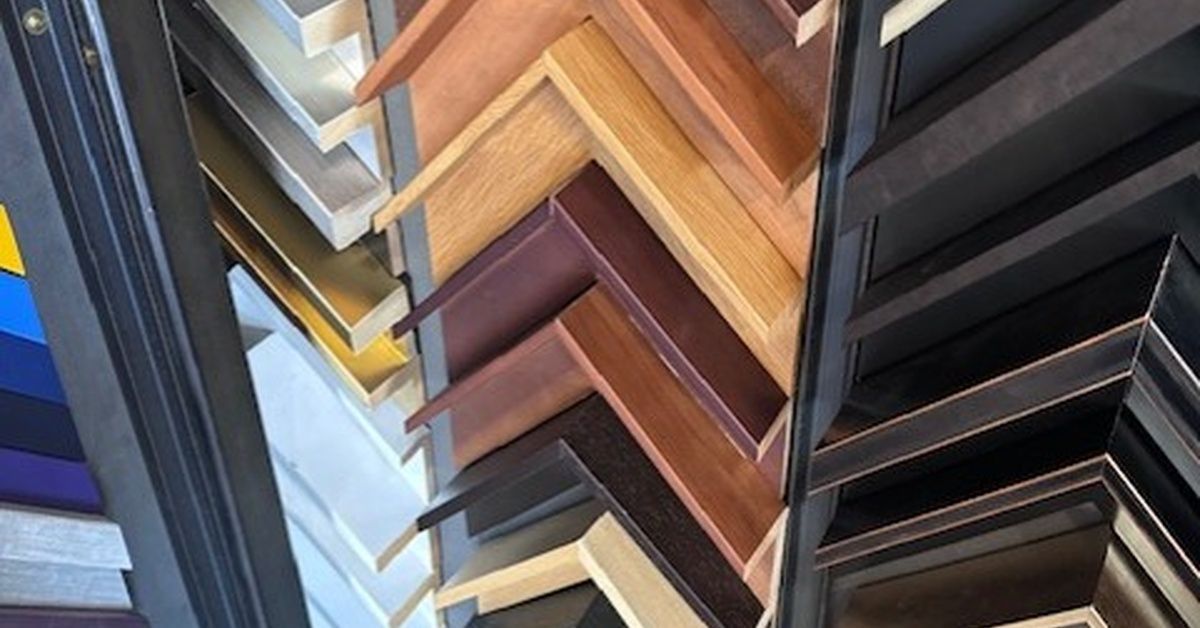
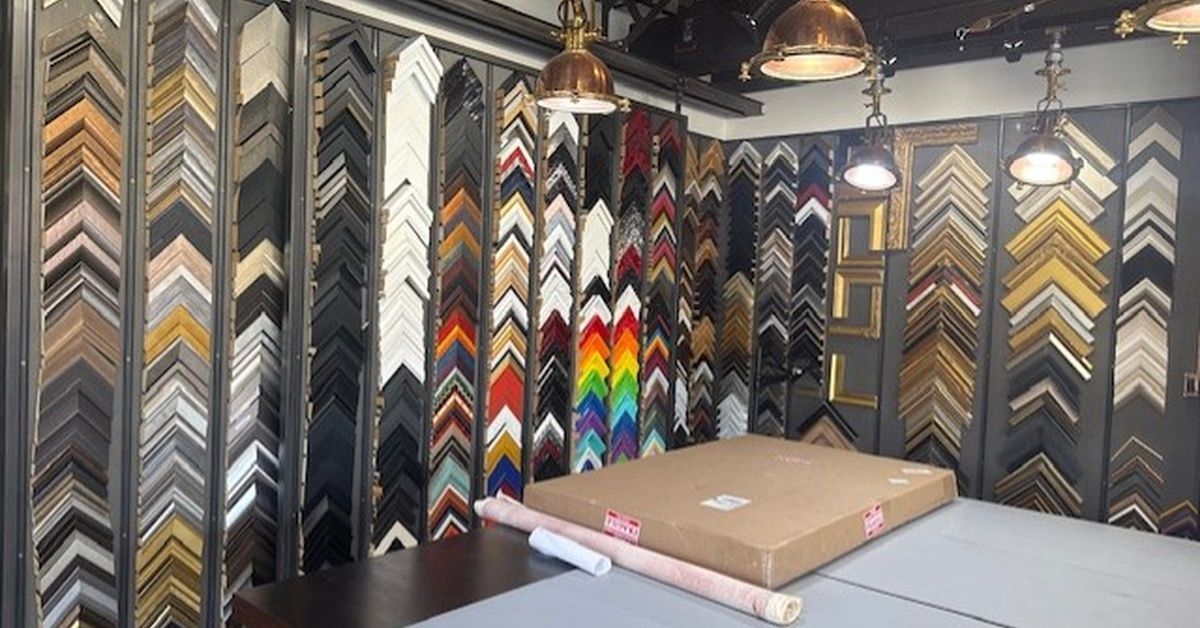
Start with the character of the room. A thin, simple black wood or metal frame fits modern interiors. A dark or light wooden frame works beautifully in spaces with natural textures, neutral tones, and soft architectural details. Ornate profiles suit vintage-inspired rooms that feature colorful elements, numerous knickknacks, and detailed architectural elements.
Build a Balanced Display
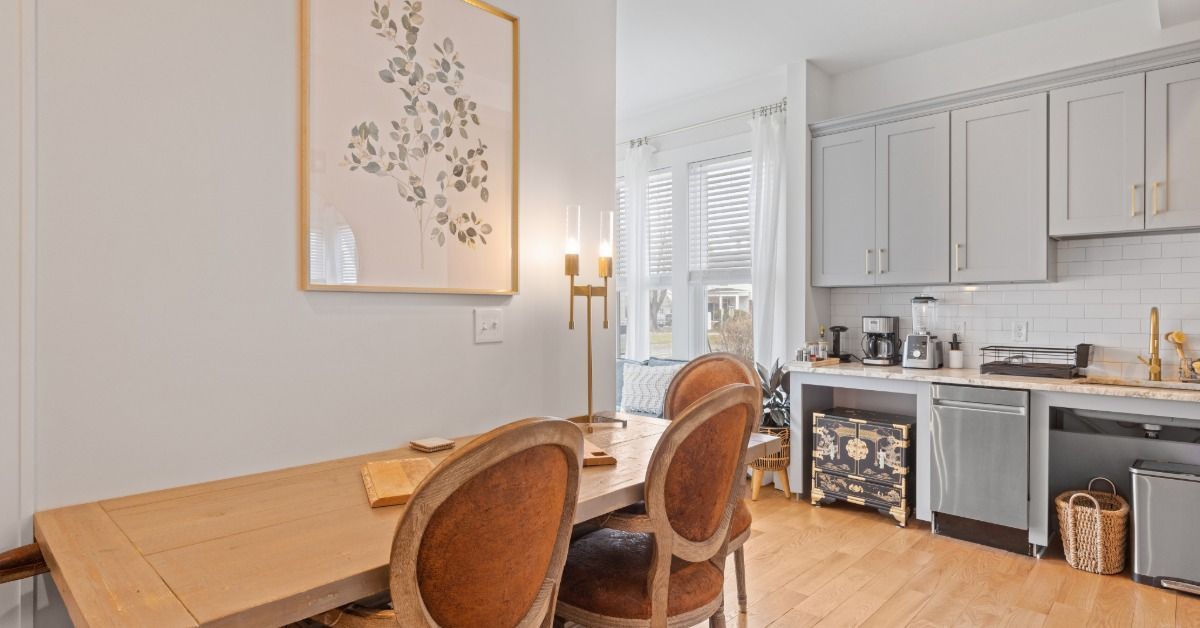
One print by itself needs a different strategy than one in a grouped wall arrangement. A single large piece works best when it has enough open space around it to command attention. A small, limited edition print may need furniture beneath it, paired lighting, or nearby objects that provide visual weight.
When you hang multiple works together, keep spacing consistent and treat the collection as one composition rather than a row of separate decisions. Look at the combined shape of the arrangement before you put anything on the wall. The outer edges should look deliberate, and the visual weight should not pull too hard to one side.
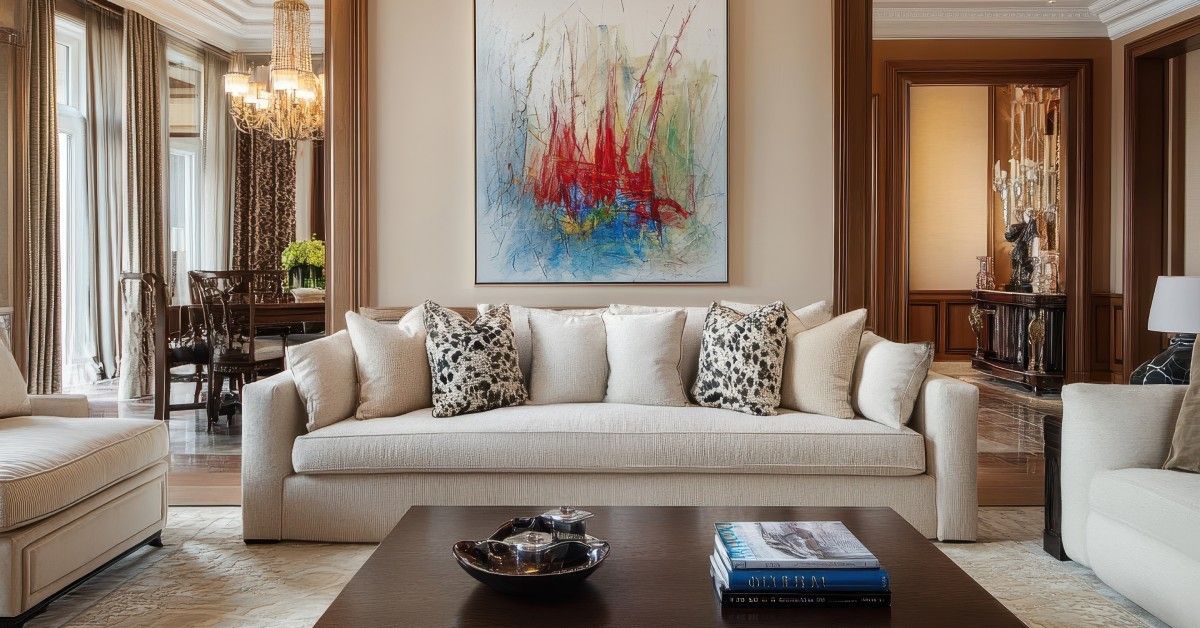
The entire room should have a balance. A framed print above a sofa, console, or bed should relate to the width of the furniture below it. If the piece looks too narrow, tiny, or high, the room starts to look unsettled. Art should anchor a space instead of hovering above it.
Hang the Print With Supportive Hardware
Beautiful framing won’t save a print from a bad installation. The hanging method needs to match the size and weight of the finished piece.
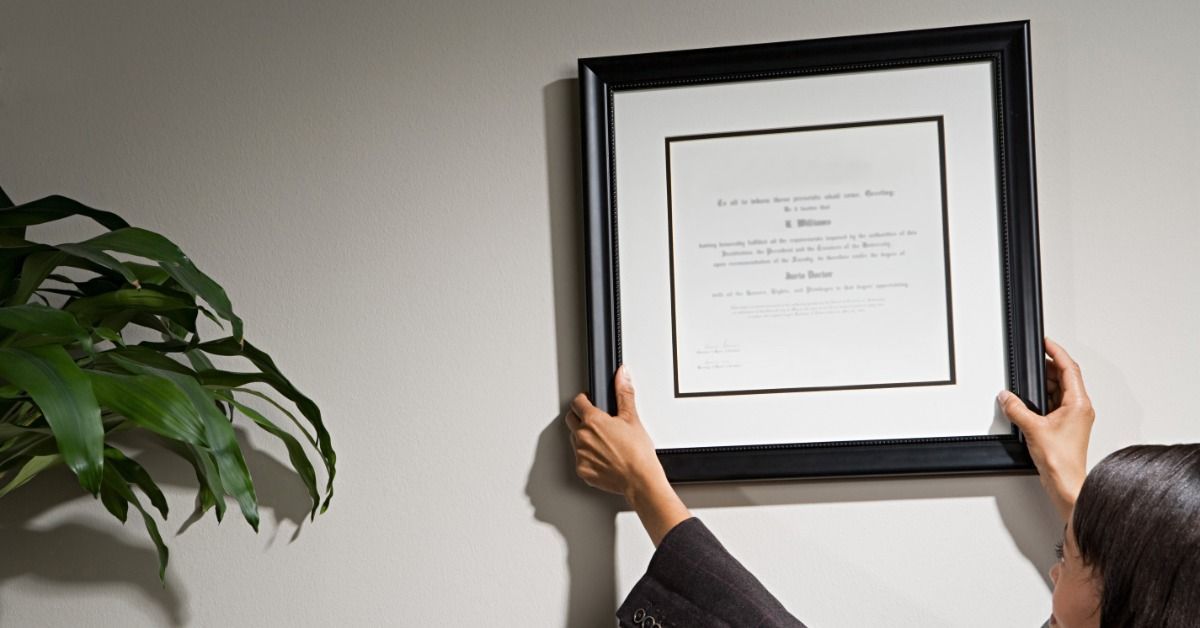
Small framed prints may work with a standard picture hook, but medium and large pieces need substantial support. Use secure wall anchors when you can’t hit a stud, and choose hanging hardware rated for the full weight of the frame. D-rings with wire work for many pieces. Additionally, extremely large frames benefit from sturdy systems like a French cleat. The style spreads weight across the wall and reduces shifting.
In most rooms, the center of the artwork should land near eye level. Above furniture, leave enough clearance so the print doesn’t look cramped, but keep it close enough to stay visually connected. If the piece is oversized, step back and judge the full relationship before making final holes. A few inches change the whole effect.
Protect the Print From the Environment
Framing and displaying limited edition prints means thinking beyond the wall itself. You have to consider the life the piece will have in the home.
Skip positioning art in spots that receive direct afternoon sunlight. Bright sun, steam, damp air, and sharp temperature swings stress on paper-based artwork. Ultraviolet rays break down pigments and paper over time. Bathrooms, laundry rooms, and humid kitchens pose another risk because moisture can warp mats, affect adhesives, and encourage mold inside the frame package.
Choose a stable location with moderate light and controlled humidity. If you love a sunny room, place the print on a side wall that avoids direct exposure. Another option is to install window treatments that soften harsh light.
Proudly Display Your Prints
A limited edition print deserves better than temporary storage and an improvised display. With archival materials, thoughtful frame choices, and careful placement, this collectible will become a focal point in your home.
When you’re ready to move your prints out of the stack and onto the wall, work with a custom framing company that understands preservation techniques and balanced design. Complete Pictures prioritizes quality. We’ll help you choose the materials, refine the final look, and create a display that honors your artwork.