The Dos and Don’ts of Framing Antique Pictures
Antique pictures carry history, emotion, and invaluable memories within their delicate fibers. Preserving these artifacts requires careful handling and presentation. To display these valuable pieces, you need to know the dos and don’ts of framing antique pictures.
The materials you choose and the techniques you apply can either protect or damage these irreplaceable pieces. Read on and find out the best practices for framing antique items.
Do Select Archival-Quality Materials
When framing antique pictures, your first priority is preservation. This means using materials that will not harm the artwork over time. Archival-quality, or conservation-grade, materials are chemically stable and acid-free, preventing the yellowing and degradation that acidic materials cause.
The mat board, which is the paper-like border surrounding the picture, should be acid-free. Standard mat boards contain acids that can leach into the artwork, causing discoloration and brittleness. Look for matting made from cotton rag or alpha cellulose. These materials provide a safe, protective barrier between the picture and the glazing.
Similarly, the backing board that sits behind the artwork must also be acid-free. An archival foam core or a 100-percent cotton rag board will provide support without introducing harmful chemicals. The materials prevent damage from the back and help create a sealed environment within the frame.
Don’t Use Tape or Adhesives Directly on the Artwork
One of the most common mistakes in framing is using household tapes or glues to secure a picture. Standard tapes contain acids that will stain and weaken the paper of an antique photograph over time. The adhesive can become permanent, making it impossible to remove without causing irreversible damage.
Instead, use archival mounting techniques. Professional framers use Japanese paper hinges and wheat starch paste to attach artwork to the backing board. These materials are acid-free and easily reversible. This method gives the artwork space to expand and contract with changes in humidity and temperature as it hangs freely.
If you are mounting the picture yourself, archival photo corners are a good alternative. These small, acid-free pockets hold the artwork in place without any adhesive touching the picture itself. They allow for safe removal and repositioning, keeping the antique in its original condition.

Do Use UV-Protective Glazing
Light is one of the biggest threats to antique pictures. The ultraviolet (UV) rays in sunlight and fluorescent lighting can cause colors to fade and paper to become brittle. To protect your artwork, you must choose the right type of glazing, which is the clear protective layer of the frame.
Standard glass offers minimal UV protection. Instead, look for conservation-grade glass or acrylic that filters out harmful UV rays. While glass is traditional and scratch-resistant, acrylic is lighter and shatter-resistant, making it a safe option for large pieces.
In addition to UV protection, consider glazing the surface with antireflective properties. The coating reduces glare, so it’s easier to see the artwork clearly without distracting reflections. It offers a viewing experience that is both protective and visually appealing.
Don’t Let the Artwork Touch the Glass
A picture should never rest directly against the glazing. Direct contact traps moisture, which can lead to mold growth and cause the photograph’s emulsion to stick to the glass. Over time, this can permanently damage the image, making it impossible to separate from the glass without tearing the picture.
A mat board naturally creates a space between the artwork and the glazing. The thickness of the mat provides a buffer that prevents moisture buildup and facilitates airflow. This is a fundamental reason why matting is so important for preservation.
If you prefer a framed look without a mat, you can use spacers. These small, archival-quality strips fit inside the frame’s rabbet, creating a gap between the glass and the artwork. Spacers provide the necessary separation while allowing the picture to fill the entire frame, offering a more contemporary look without compromising safety.
Do Consider the Environment
Think about where you will hang the framed picture. Here are some key environmental factors to control:
- Light: Even with UV-protective glazing, avoid hanging valuable antiques in direct sunlight. Choose a wall that receives indirect or low light.
- Temperature: Avoid areas with extreme temperature fluctuations, such as above a fireplace or near a radiator. Stable temperatures help preserve the delicate materials.
- Humidity: High humidity can encourage mold growth, while low humidity can make paper brittle. Aim for a stable environment, away from bathrooms, kitchens, or damp basement walls.

Do Match the Photo’s Design
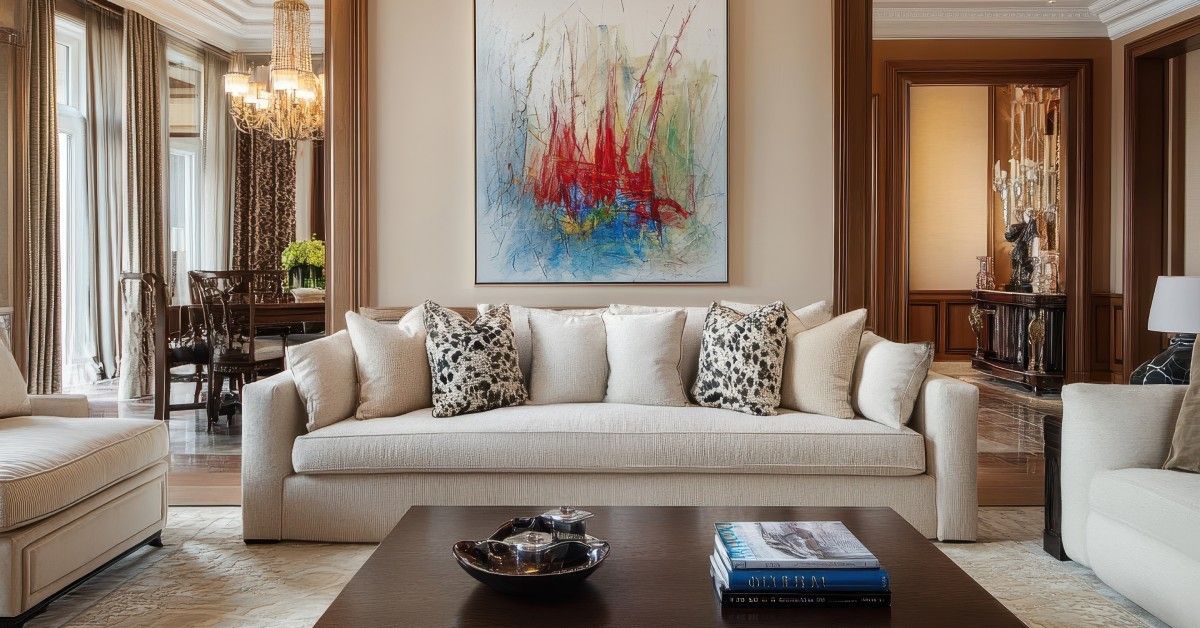
When choosing where to display a photo, think about how its design harmonizes with the surrounding space. A well-framed piece can enhance the overall aesthetic, but only if its colors, style, and theme complement the room’s decor.
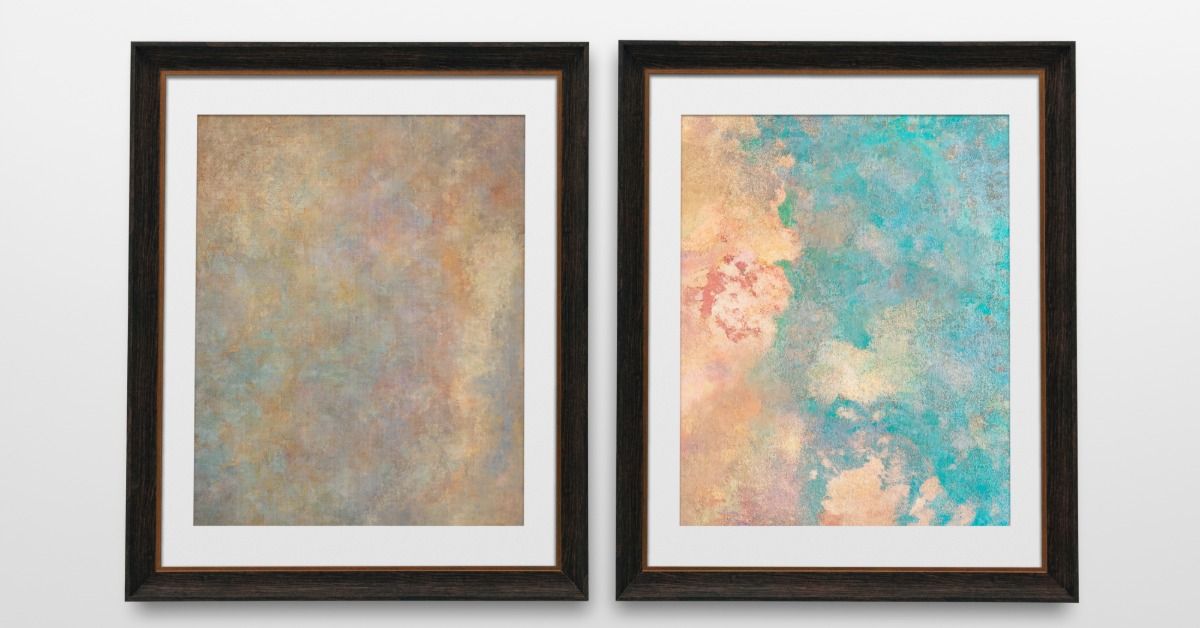
A vintage black-and-white photograph may add timeless elegance to a classic or minimalist setting. A vibrant, abstract image might feel right at home in an eclectic space.
Pay attention to the frame’s material and finish. These details can subtly tie the artwork to furniture or other decorative elements. Thoughtfully matching the photo’s design ensures it elevates the room while preserving its artistic impact.
Don’t Throw Away the Photo’s Original Materials
Although you’re incorporating new materials, it never hurts to safeguard the photo’s original components. Preserving the original materials of a photograph is crucial for maintaining its authenticity and historical significance. The paper, ink, or other materials used in the original creation of the photo hold unique attributes. These materials provide important context about the time period, technological limitations, and artistic choices of the era.
Instead, it is essential to store these materials properly, ensuring they remain intact and accessible for future reference or complementary restoration work. Respecting the integrity of the original photo not only honors its legacy but also contributes to a richer preservation of history.
Choose a High-Quality Frame From Complete Pictures
Understanding the dos and don’ts of framing antique pictures are necessary to carefully update your cherished art. These best practices will help you select a beautiful display that honors the history of the piece.
Complete Pictures offers custom artwork framing with over 1,000 styles of wood and metal frames to choose from. Not only will you be able to complement the picture’s beauty, you’ll also be able to display the art in all its glory.