8 Things To Consider When Having a Diploma Framed
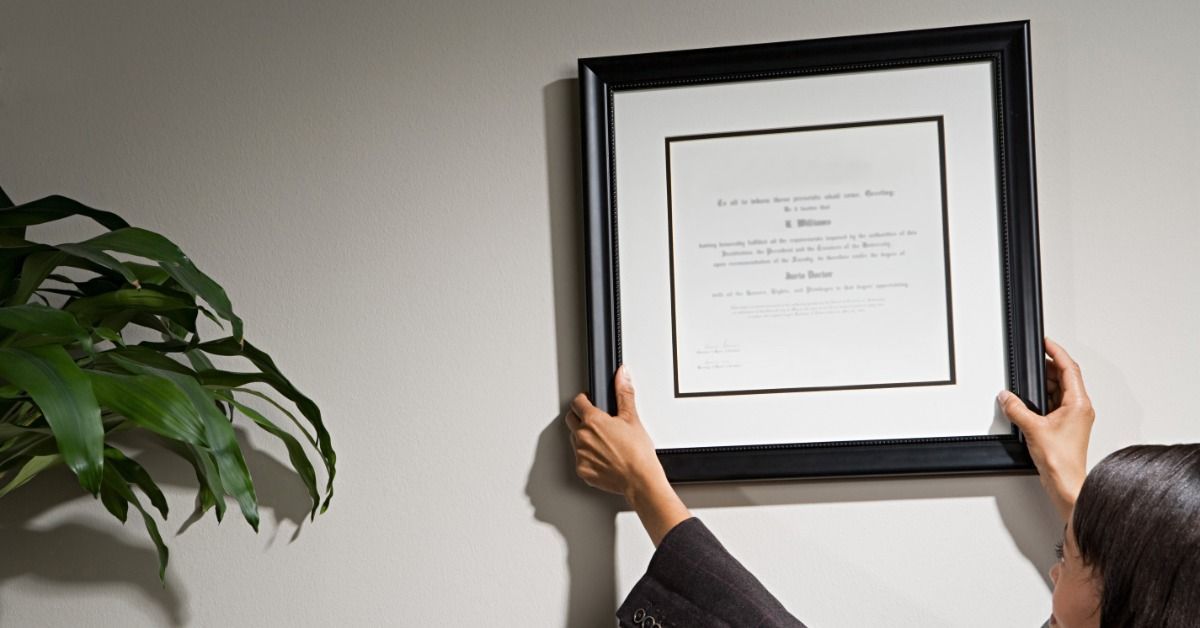
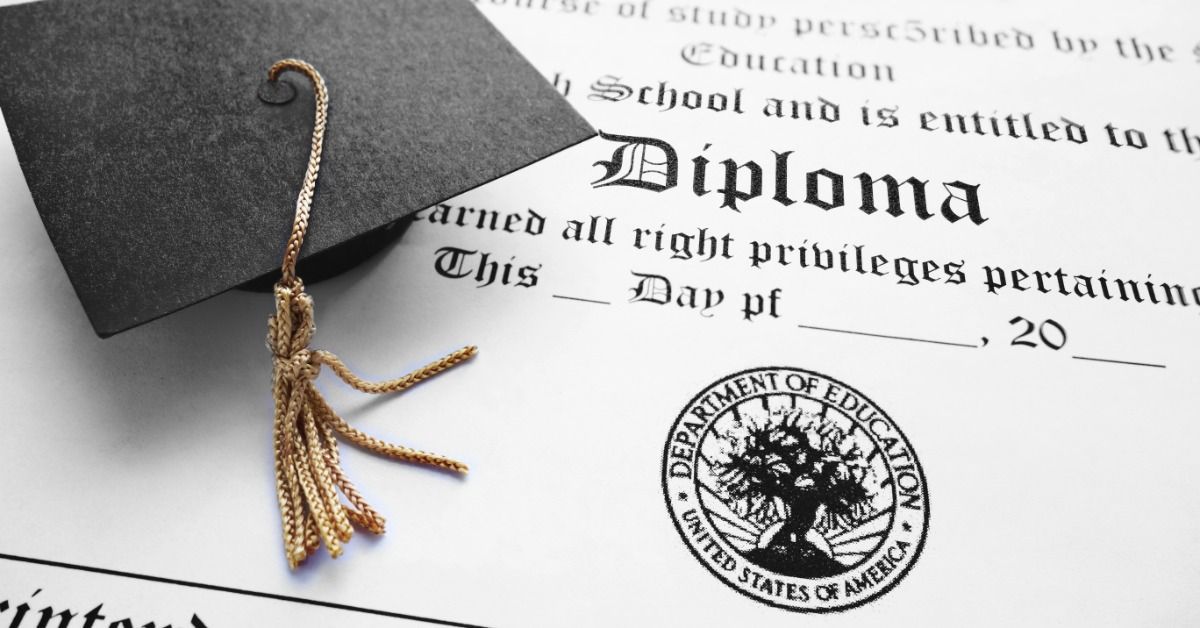
A diploma deserves more than a bargain frame that warps or traps dust. The paper carries signatures, seals, and fine print that show every ripple, smudge, and reflection. Before having a diploma framed, there are many things to consider, including preservation choices, visual balance, and interior design elements. With a thoughtful plan and quality materials, the diploma stays protected while looking polished on a home or office wall.
1. Decide Whether a Mat Fits the Look
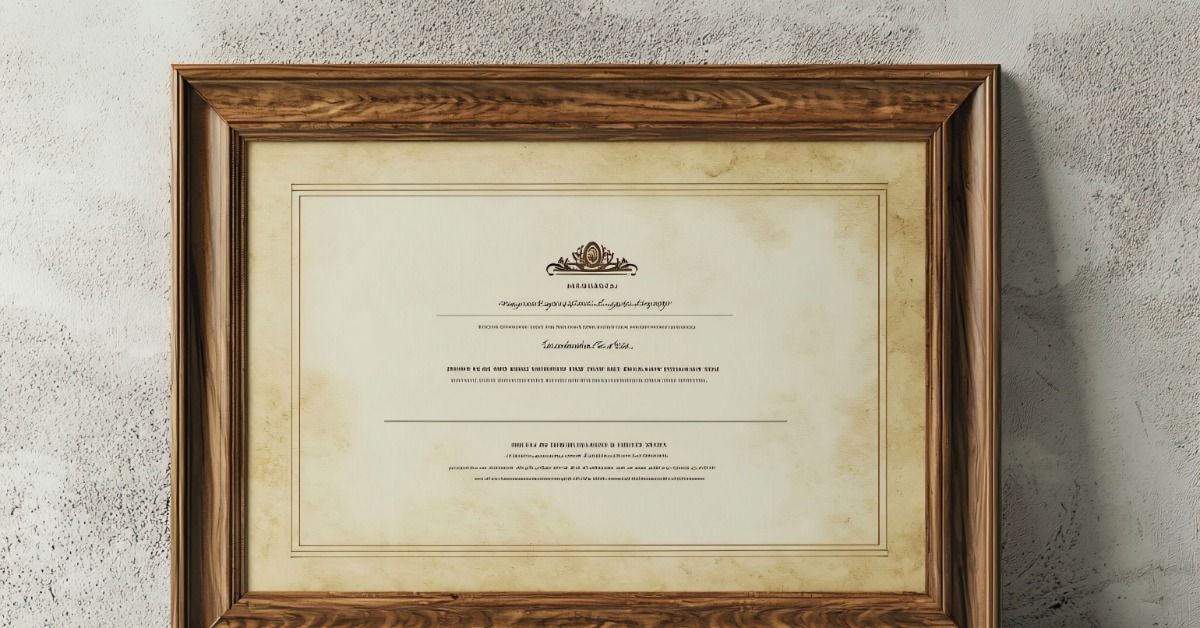
A mat adds breathing room around the text and forms a clean border along the frame. Diplomas with ornate borders, gold ink, or embossed seals tend to look cleaner with a mat because it doesn’t crowd the layout.
Matting affects the diploma’s condition, too. Paper shouldn’t sit directly against the glazing because humidity shifts and temperature swings can cause sticking or visible waves. A mat provides spacing, and spacers provide similar separation when a mat doesn’t fit the style.
Color and texture matter as much as size. A bright school color can look sharp, yet it may clash with nearby decor if the wall already carries bold tones. Neutral whites, soft creams, light grays, and linen textures focus attention on the diploma and blend into spaces.
2. Choose a Display Location Before Finalizing the Materials
The wall location shapes every other choice, especially glazing and frame finish. Sunlight and strong indoor lighting fade ink over time, and bright rooms show glare more easily. A diploma hung near a window faces more exposure than one placed in a hallway, library, or interior office wall.
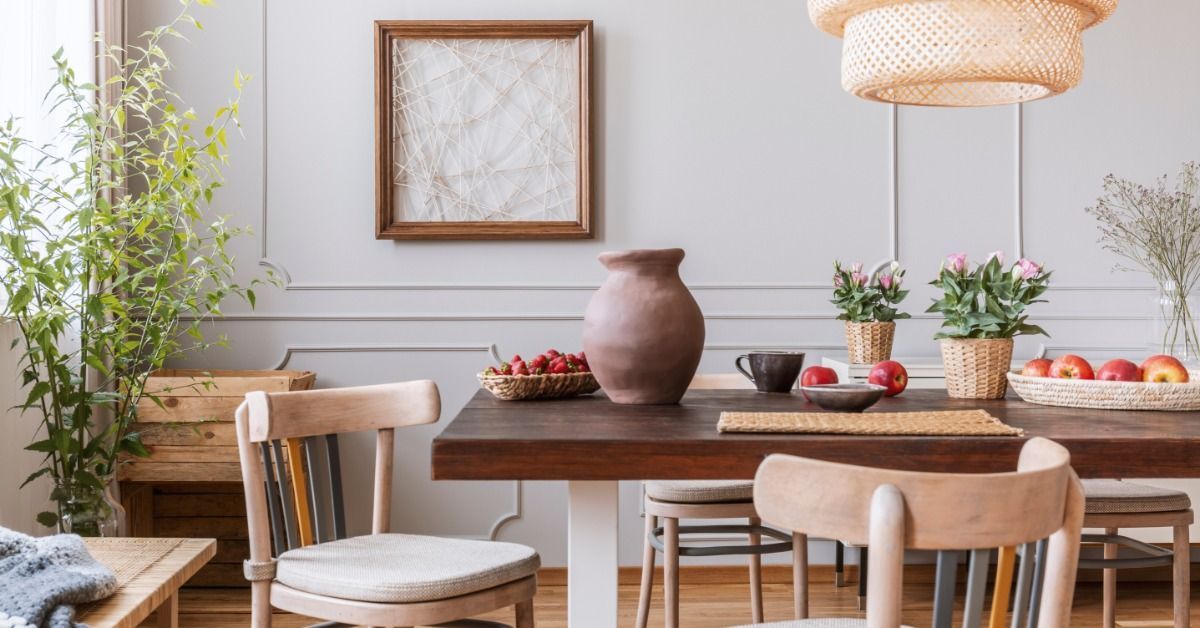
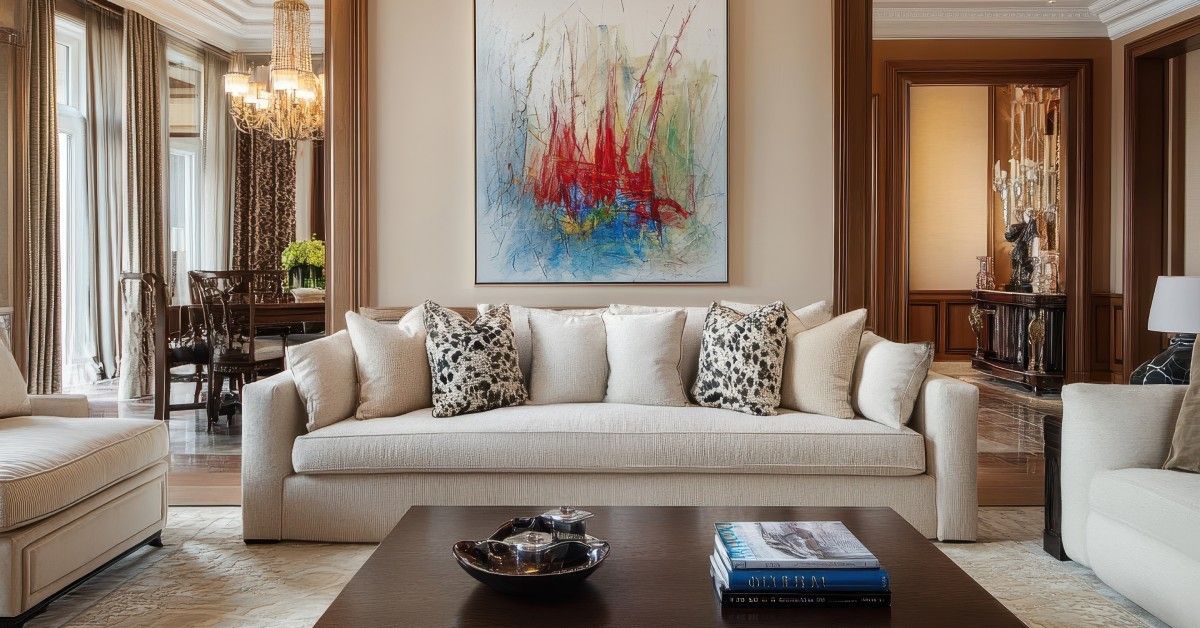
Think about how you use the room. A home office might feature contemporary, geometric elements that are simple and professional. A living room or den may boast warm woods and vintage decor. In a commercial setting, the wall may receive constant viewing from clients, so clarity and clean lines matter.
Viewing distance matters, too. From across a room, a diploma might blend into the frame. A strong contrast between the paper, mat, and frame will support legible lettering. Up close, subtle details like a textured mat or a refined wood grain add depth without stealing attention from the document.
3. Match the Frame Style to the Personal Decor
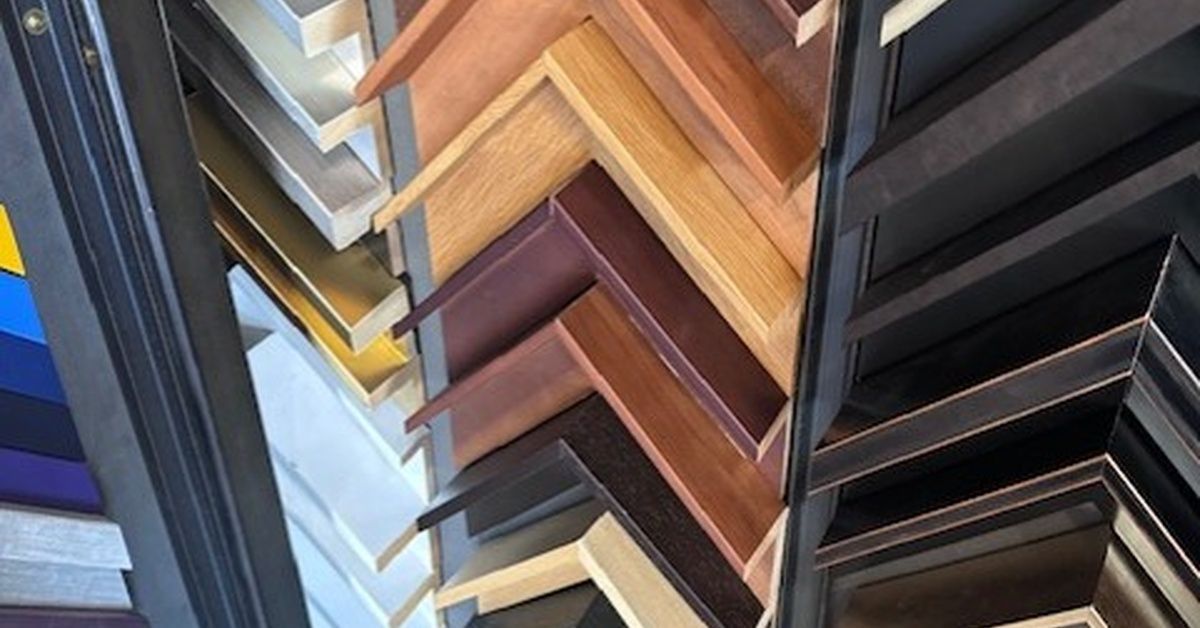
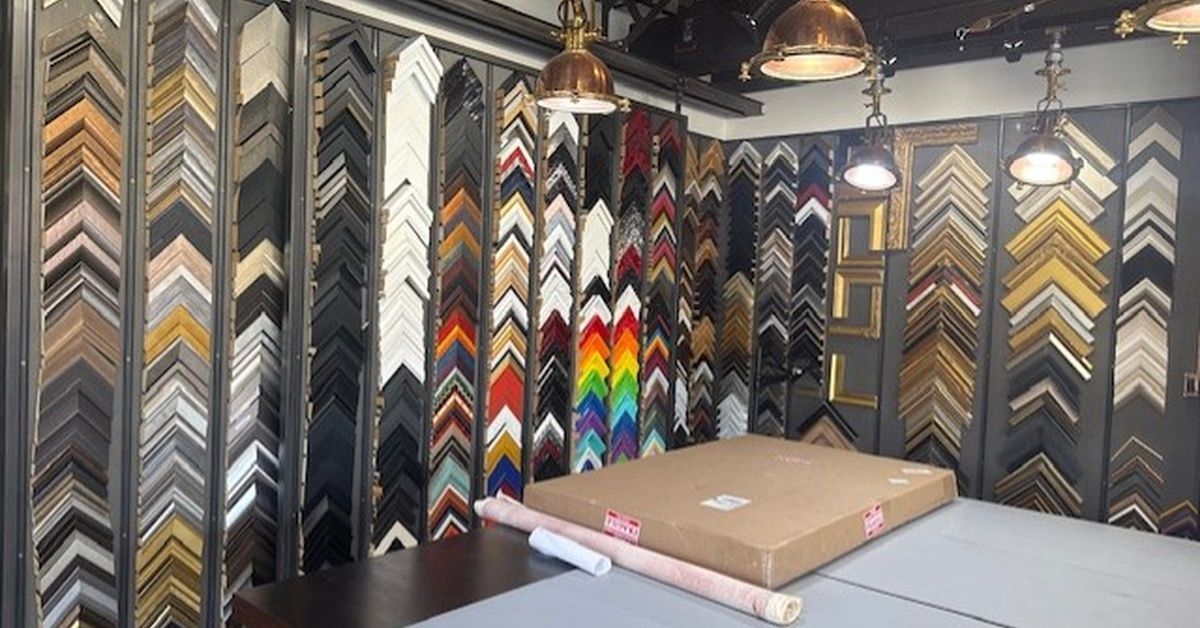
Frame style should complement the space and the diploma’s design. Classic profiles, warm woods, and tasteful gold or silver finishes fit traditional styles. Contemporary rooms look wonderful with slim profiles, crisp edges, and metal frames.
If the diploma has heavy ornamentation, an understated frame keeps the piece from looking busy. If the diploma design is minimal, expressive molding or a rich finish brings an upscale presence without overpowering the text.
Look around the room and note which materials are present. Furniture legs, door hardware, light fixtures, and existing wall art can lead you to the best finish. When the frame echoes those tones, the space becomes unified.
4. Pick UV-Filtering Glazing That Stays Clear
Glazing affects protection and visibility, so it deserves careful attention. UV-filtering options slow fading and help preserve paper tone, especially in bright rooms. That protection matters most for diplomas displayed long-term, since the damage builds gradually and doesn’t reverse.
Reflection control matters for readability. Overhead lights, desk lamps, and screens can throw distracting glare across signatures and seals. Antireflective glazing reduces that distraction, so the diploma remains legible from different angles.
Glass and acrylic work well when the materials meet archival standards. Glass offers a crisp look and strong scratch resistance. Acrylic weighs less, which helps on large diplomas or areas that see high traffic.
5. Use Archival Mounting Methods That Protect Paper
Mounting choices shape the diploma’s condition over the years. Adhesives applied to the paper risk stains, residue, and irreversible damage. Archival corners or conservation mounting techniques hold the diploma securely without sticky materials touching the document.
Backing and mat materials matter as much as the mounting method. Acid-free components reduce yellowing and help prevent discoloration along edges. When the diploma includes an embossed seal, raised lettering, or thick paper stock, the design needs enough depth so that the elements don’t press against the glazing.
Dust and debris show easily against light paper, and they’re especially notable under bright lighting. A careful build using quality materials makes the interior appear crisp, clean, and professional.
6. Confirm Accurate Measurements and Orientation
Diplomas rarely arrive as perfect rectangles. Some have deckled edges, soft curls from mailing, or corners that lift slightly. Measurements should reflect the diploma as it sits now, so the opening doesn’t pinch edges or hide important details like names, dates, or seals.
Orientation deserves a visual test before any cutting begins. Some diplomas look best in landscape because the institution name stretches wide. Others look balanced in portrait, especially when the seal and signature block sit low on the page. A quick layout on a table confirms that the frame will be beautiful and balanced.
7. Consider Depth if Adding Tassels, Pins, or Medals
A flat frame works for a single sheet of paper, yet memorabilia needs to have depth. Tassels, pins, medals, and cords require space, so they don’t press against the glazing. A shadow box build offers depth and stabilizes the objects.
Even spacing between elements prevents the arrangement from feeling crowded. A tassel can hang straight, form a gentle curve, or sit in a structured loop. Each of these little elements will make the display even more special.
8. Invest in Craftsmanship and Material Quality
A diploma that reads clearly, looks refined, and fits the space is the ultimate goal. It’s why craftsmanship matters so much.
Quality moldings hold up better over time and maintain clean corners. Archival components support a cleaner interior and help the diploma maintain its appearance year after year.
A skilled framer will recommend proportional arrangements, like mat width relative to the paper size, or frame width relative to the mat. For those who want custom picture framing that prioritizes materials, protection, and style, professional guidance keeps the process smooth and the result consistent.
Frame Your Diploma With Complete Pictures
A diploma highlights your efforts and history. When having a diploma framed, consider everything from matting choices to UV-filtering glazing. Every piece will work together, so the diploma looks clean, readable, and intentional.
Complete Pictures in Houston helps people select materials that protect diplomas and complement home or office decor. Call to discuss frame styles, glazing options, and archival materials, then bring the diploma in for a framing consultation.