Tips for Making Art the Focal Point of Your Home
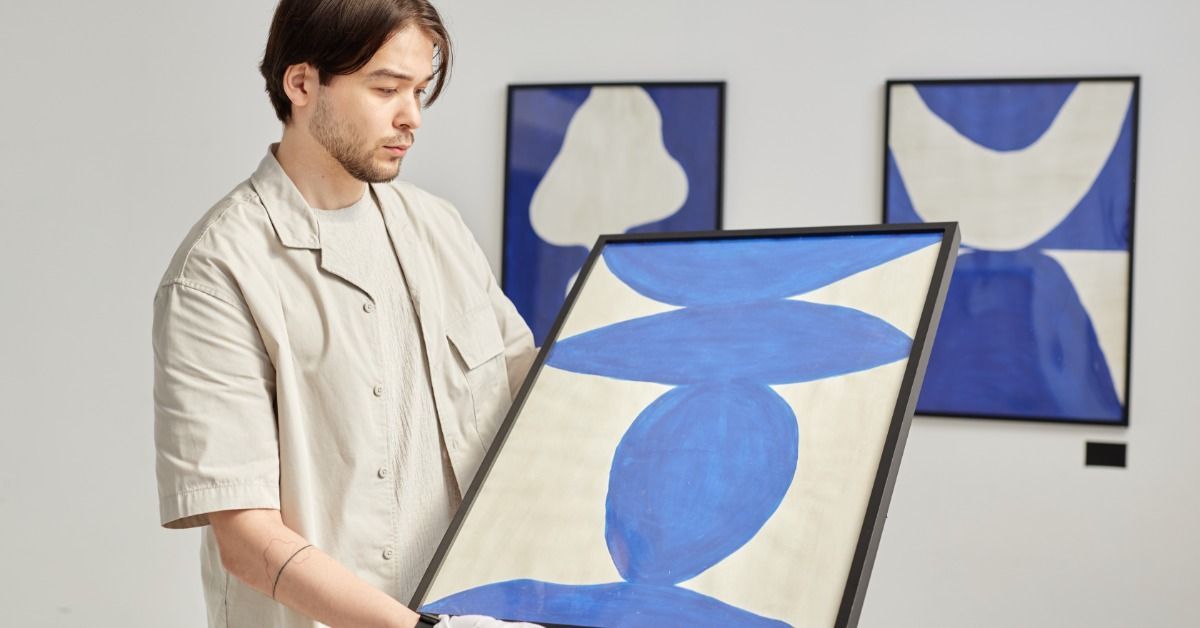
Every room requires a center of gravity that draws the eye immediately upon entry. Without a clear anchor, interiors feel chaotic or unfinished. You can make art the focal point of your home and transform a standard living area into a sophisticated gallery.
How Does a Focal Point Enhance a Room?
A focal point dictates a room’s layout and flow. The eyes intrinsically rest on the feature, and the room’s arrangement feels harmonious. Interior designers use this concept to organize furniture and accessories in a way that feels intentional rather than accidental.
Art commands attention like few other design elements can. They offer color, texture, and narrative all at once. When you select a piece of art as an anchor, you establish the mood for the rest of the environment. The surrounding decor should act as a supporting cast, highlighting the artwork without competing for attention.
Which Wall Is the Best for a Statement Piece?
Analyze Sightlines and Traffic Patterns
Stand at the main entrance of the room and observe where your gaze lands naturally. The wall directly across from the doorway usually offers the best real estate for a statement piece. High-traffic areas might distract from the viewing experience, so keep the art away from narrow hallways or busy corners.
Next, consider how people move through the space. Placing valuable art behind a door or in a cramped spot reduces its impact and risks damage. A clear, unobstructed view allows the viewer to appreciate the details from a comfortable distance.
Capitalize on Existing Architectural Features
Architectural elements like fireplace mantels or recessed niches provide natural stages for displaying art. Hanging a painting above a fireplace instantly capitalizes on an existing structural focal point. This technique reinforces the room’s hierarchy and simplifies furniture arrangement.
Large, unbroken walls in open-concept homes also offer tremendous potential for oversized canvases. These expansive surfaces demand bold pieces that can hold their own against the sheer volume of the room. Treat these architectural opportunities as designated frames within the home’s structure.
Scale the Art To Fit the Space
Size determines whether a piece of art anchors a room or becomes lost. A common mistake involves hanging a small picture on a large, empty wall. The art will appear insignificant instead of astounding.
The artwork should generally cover two-thirds to three-quarters of the available wall space or the furniture below it. If you possess a smaller piece that you love, group it with others. This technique creates a collective unit that occupies the necessary visual weight. Balance remains key to maintaining a professional aesthetic throughout the room.
Strengthen the Art’s Impact Through Framing
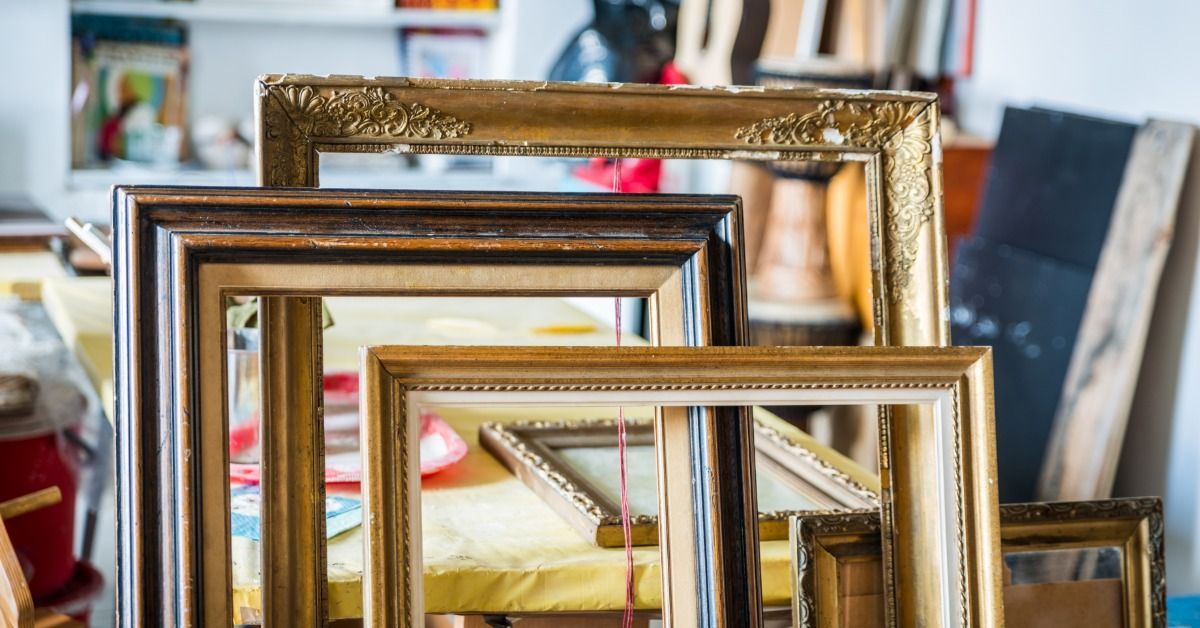
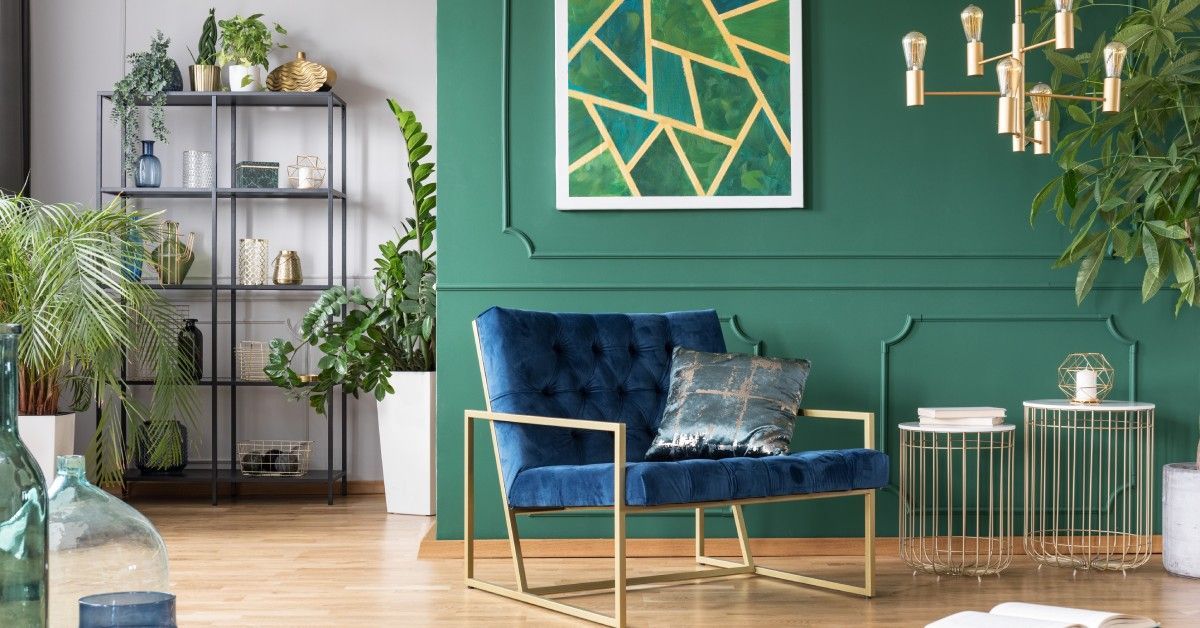
A substantial, ornate frame adds grandeur and size, helping the art command more space. Conversely, a minimalistic frame allows the image to pop without distraction.
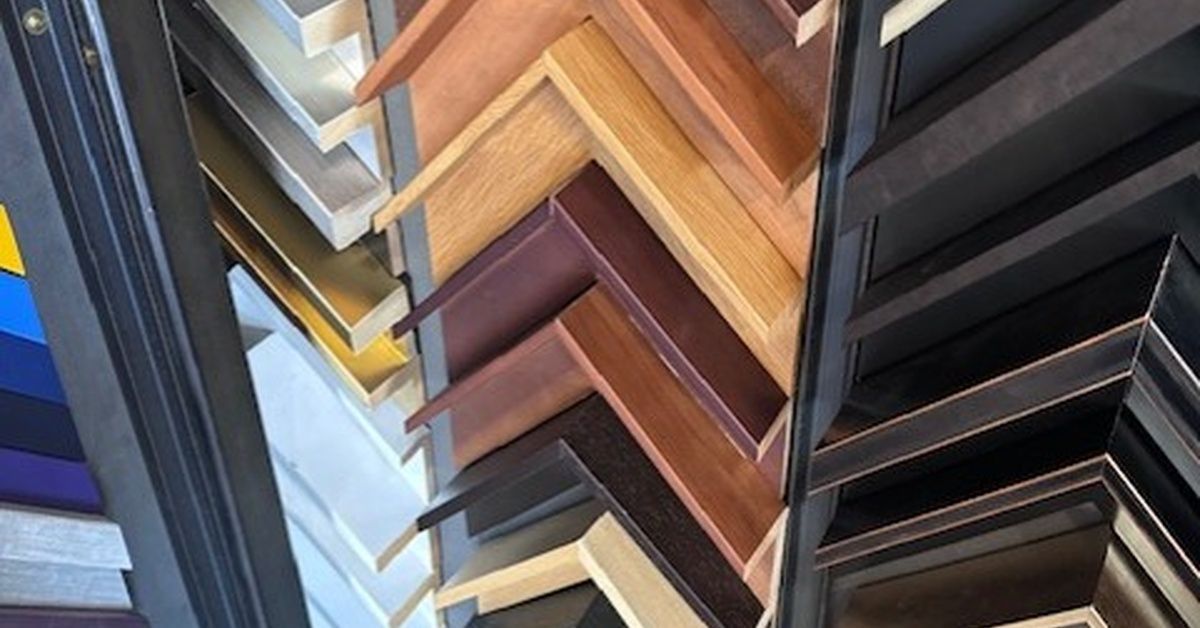
Using a custom framing service provides the expertise needed to select materials that protect the artwork while enhancing its beauty. Professionals understand how different wood tones and metallic finishes interact with the colors in the painting. This attention to detail elevates a simple print into a museum-quality display.
The Role of Matting
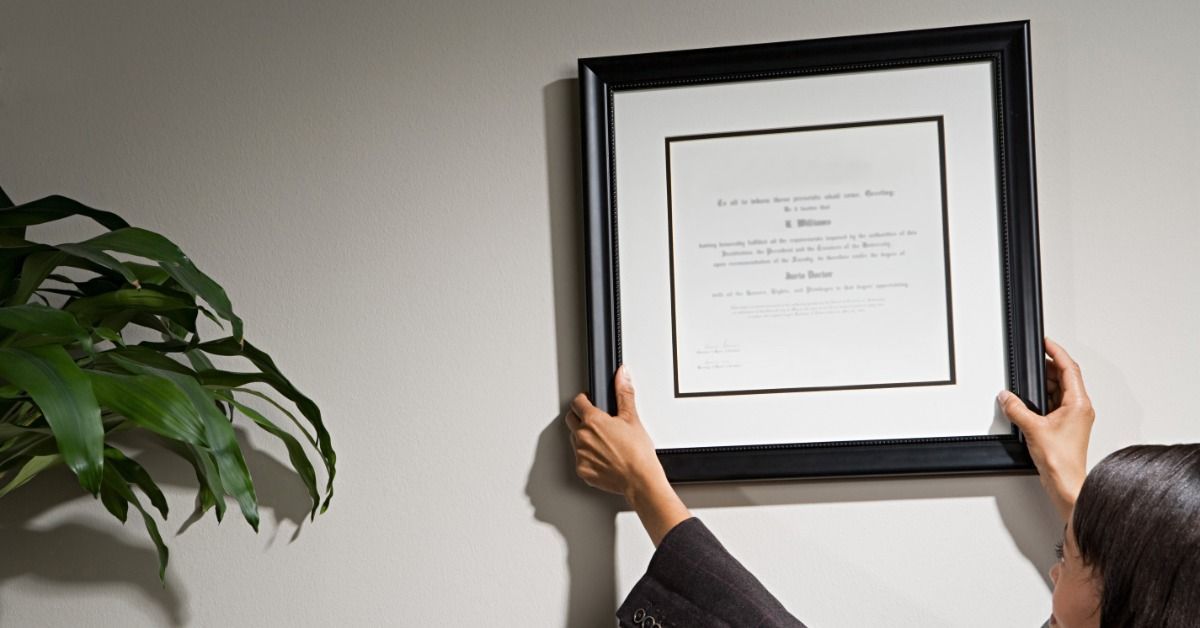
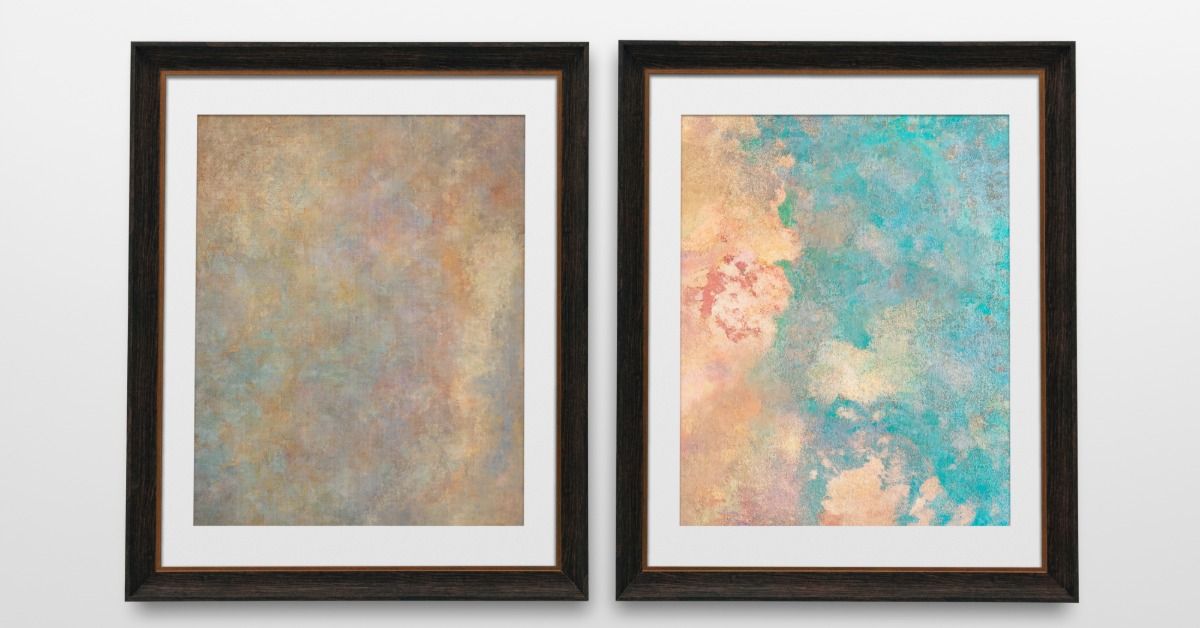
Matting serves a dual purpose by protecting the art from the glass and increasing its overall dimensions. A wide mat creates a border that separates the image from the surroundings, drawing the eye inward. White space gives the artwork room to breathe and commands attention.
Designers commonly use colored mats to pick up on subtle hues within the artwork itself. The subtle connection creates a cohesive look that ties the piece together.
Coordinating Frames With Interior Style
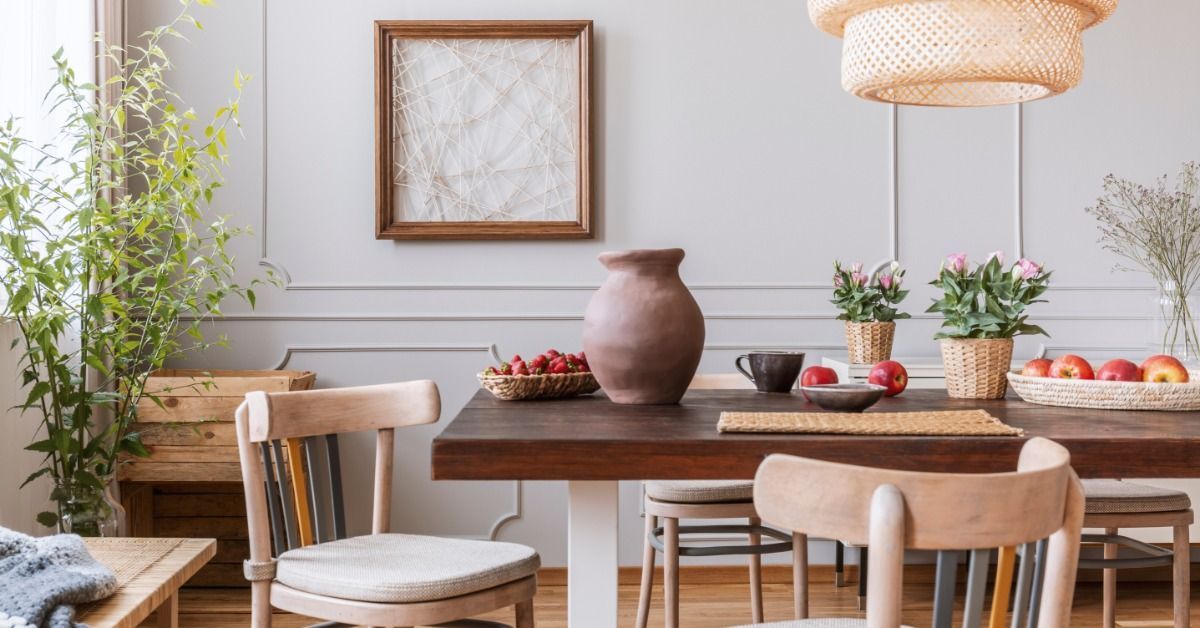
The frame should bridge the gap between the artwork and your furniture style. A modern abstract painting might look striking in a heavy, ornate gold frame for intentional contrast. However, matching the frame style to the room’s decor usually yields the most harmonious results.
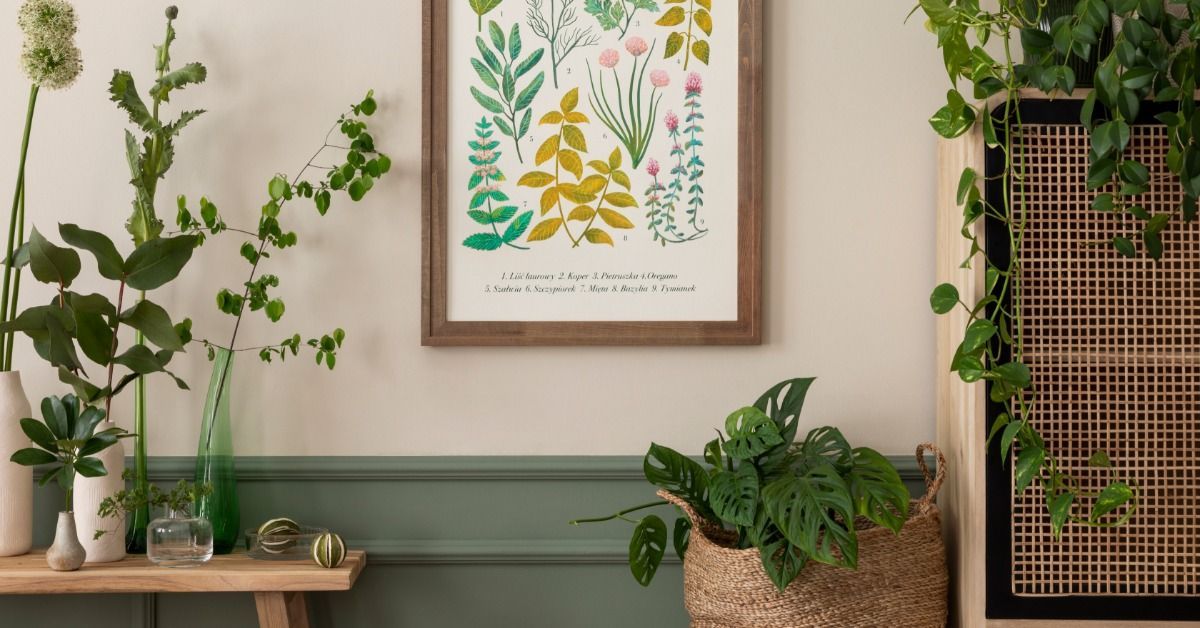
Make note of the room’s current finishes, from chair legs to light fixtures to cabinet hardware. Echoing these materials in your frame choice creates a unified design. This repetition integrates the art into the home.
Highlight the Art Piece With Intentional Lighting
Even the most spectacular masterpiece fades into the background without adequate illumination. Dedicated lighting signals to the viewer that this specific object holds value and importance. Install picture lights directly above the frame for a classic, library-like atmosphere.
Track lighting or adjustable recessed cans offer a more modern and flexible approach. These fixtures allow you to direct beams of light specifically onto the canvas, creating dramatic highlights. Proper lighting brings out the textures and true colors of the medium.
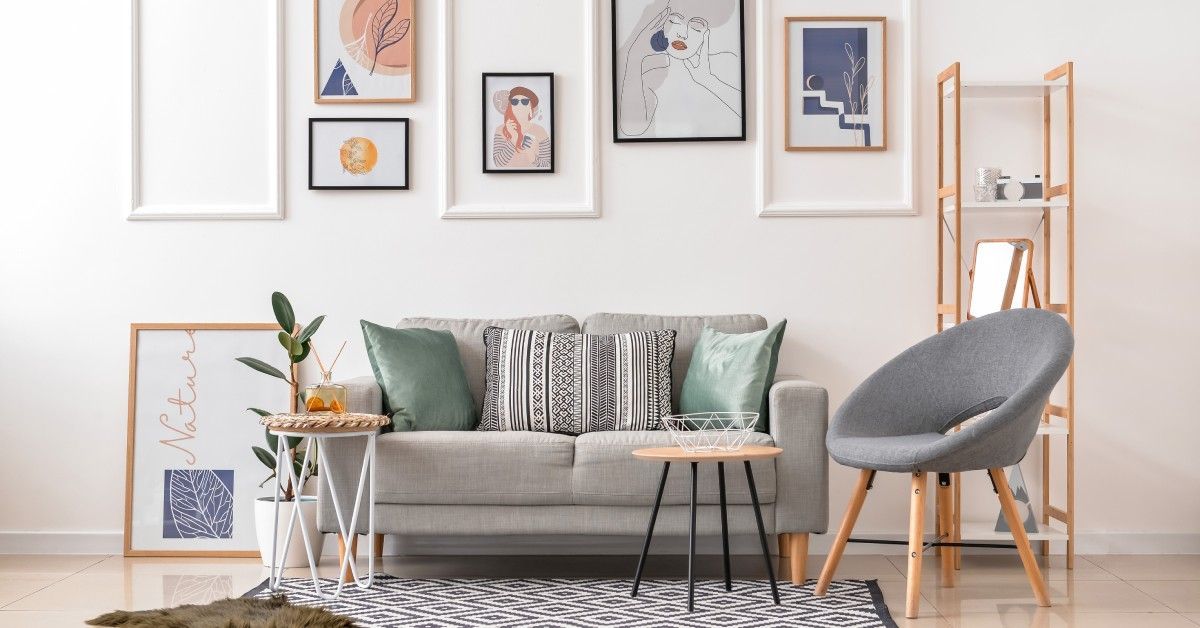
Design a Gallery Wall Feature
Sometimes, a single image is not enough to carry a large room. A gallery wall combines multiple smaller pieces to create one large, cohesive focal point. This approach allows you to showcase a collection while covering a significant amount of wall space.
Plan the Layout
Before hammering a single nail, arrange the collection on the floor to experiment with the configuration. You can keep the spacing uniform in a contemporary grid or irregular for an eclectic, relaxed vibe.
Snap photos of your potential layouts to compare them side-by-side. Aim for balance in the arrangement so that one side doesn’t feel heavier than the other. Once you love the final arrangement, transfer the layout to the wall for a flawless installation.
Mix Mediums for Visual Interest
If you’re going for a more organic gallery wall configuration, combine different types of art. Mix photography with oil paintings, sketches, and even textile art for a dynamic display. The variety keeps the eye moving and encourages viewers to inspect each piece closer.
You can unify a diverse collection by using identical frames or similar matting. There will be order amidst the variety of subjects and mediums.
Rearrange the Furniture
Furniture arrangement should support the focal point rather than fight against it. Orient your main seating pieces to face the artwork, inviting guests to admire it while they relax. This setup creates a natural conversation area centered around the visual highlight.
Avoid placing tall lamps or plants directly in front of the artwork, as this blocks the view. Keep the sightlines clear to maintain the art’s dominance in the room. Low-profile furniture works best beneath large statement pieces.
Use Color To Draw the Eye
Color serves as a potent tool for commanding attention. If the artwork features bold, vibrant hues, keep the surrounding walls neutral to let the art shine. Contrast creates a spotlight effect, so the colors pop.
Alternatively, pull a secondary color from the painting and use it for throw pillows or a rug. The art’s color palette will encircle the room and reinforce its position as the anchor.
Elevate Your Home With Complete Pictures
Art becomes the heart and soul of a room, and how you display it defines the atmosphere of your living space. Making art the focal point of your home will give your cherished pieces the prominence they deserve.
Complete Pictures offers the expertise you need to frame photos, canvases, and more. Our team specializes in high-quality framing solutions that enhance and protect your most creative investments. Contact Complete Pictures today to schedule a consultation and make each room in your house look like a high-end gallery.