The Ultimate Guide to Framing a Certificate or Award
After months or years of hard work, you deserve to showcase your achievements. Framing a certificate or award turns the document into a piece you can reflect on and admire each day.
However, there’s more that goes into framing than simply placing a piece of paper in the slot. Every choice contributes to the clarity and character of the finished presentation, from frame width to glass quality. These tips will help you design a display that honors the achievement and complements the environment.
Define the Display’s Purpose
Begin by deciding how the certificate or award should function within the room. A professional license in a reception area should create confidence and support the polished character of the workplace. A graduation certificate in a home office carries a more personal meaning.
Consider the normal viewing distance before choosing design materials. A document positioned behind a desk should remain easy to recognize from the entrance. An award beside a reading chair will usually be viewed at closer range. Those viewing conditions guide the proportions and contrast used throughout the design.
Match the Frame to the Achievement
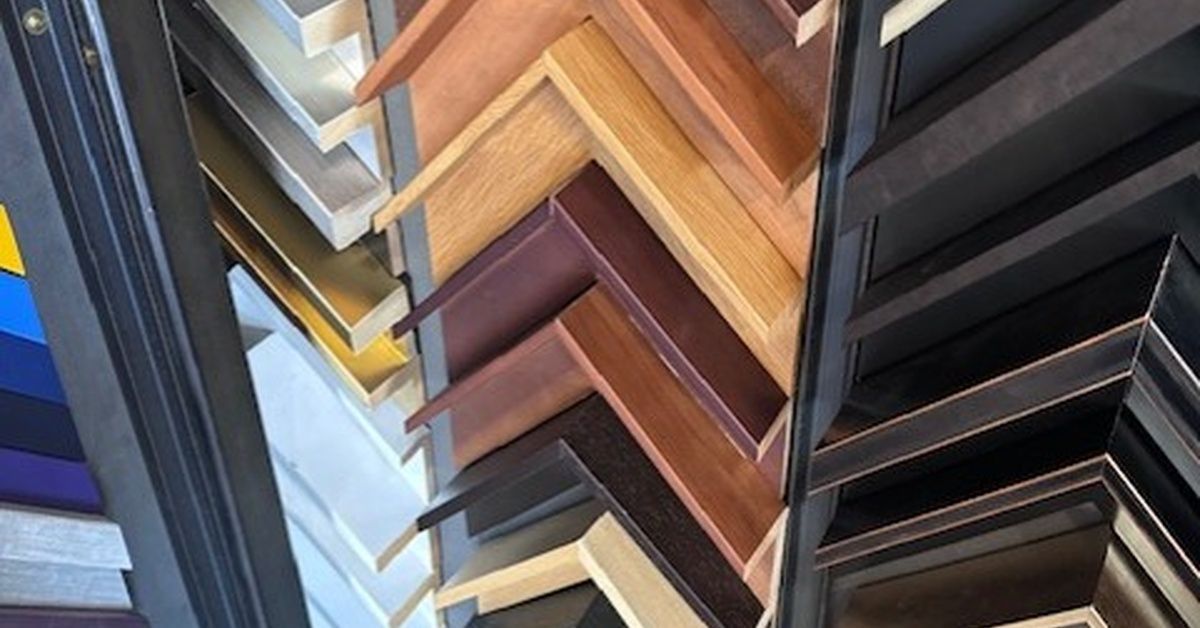
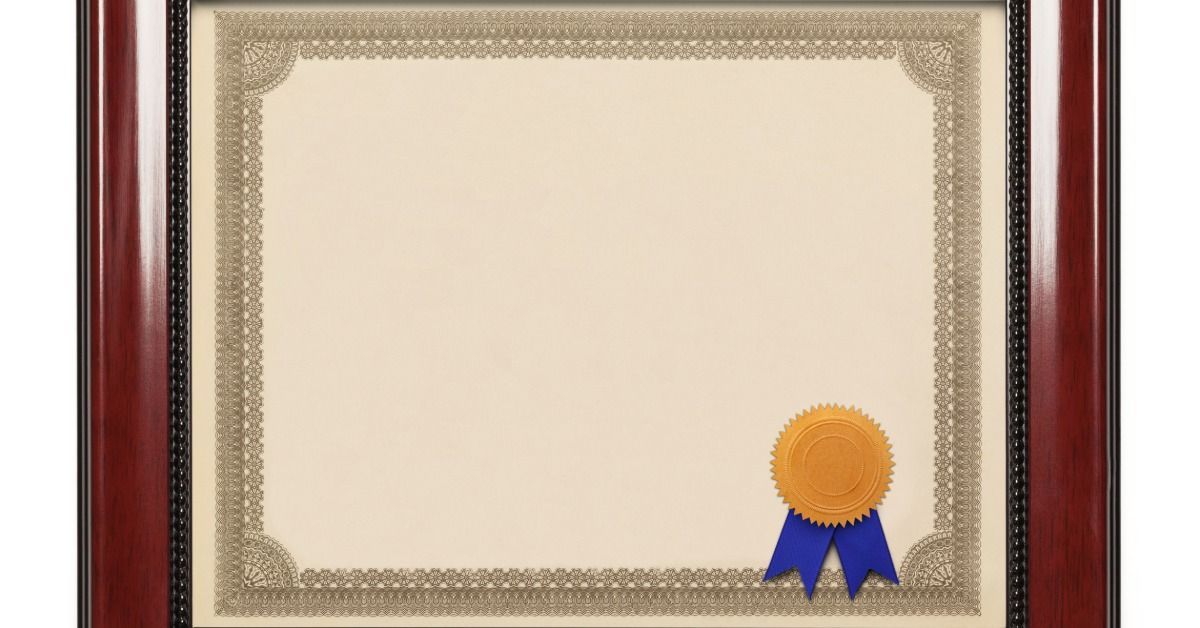
The frame should support the character of the accomplishment rather than compete with the printed design. Dark wood pairs naturally with traditional diplomas and professional credentials with formal lettering. Slim metal profiles create a crisp border around modern certificates or workplace awards.
Use the document’s typography and decorative details as design clues. A gold seal might connect with a narrow metallic accent in the molding. Bold graphics usually benefit from a restrained profile that keeps attention on the printed artwork. Ornate molding works best when the certificate carries a traditional quality.
Size the Frame Around the Document
Balanced proportions keep the certificate from seeming lost or crowded. A small document inside an extremely wide frame loses presence because the surrounding materials become the main feature. With a large sheet of paper paired with a narrow border or frame, the award will appear compressed.
To ensure the frame doesn’t crowd any details, accurate measurements are necessary. Pay close attention to embossed seals or signatures near the margins. This will prevent decorative borders and notable designs from disappearing beneath the frame lip.
Decide Whether Matting Improves the Design
To direct attention toward the certificate, matting is a useful tool that introduces space between the document and the frame. The border allows fine lettering to stand apart from the molding while introducing color.
Some certificates already contain generous blank margins or ornate printed borders. By introducing a wide mat around those documents, you could create excessive empty space. A frame without visible matting might preserve the original proportions and produce a cleaner presentation. Compare both arrangements and decide which size complements the document’s layout.
A second narrow mat offers an opportunity to introduce a school color or corporate accent. The inner mat might reveal a small line of navy or burgundy around the certificate. A neutral outer mat keeps the stronger shade under control and increases depth without surrounding the achievement in distracting color.
Use Archival Materials Behind the Certificate
To protect the award or diploma itself, the type of interior materials deserves attention, too. Archival materials become especially valuable when the certificate contains an original signature or embossed seal. They preserve the document’s condition without hiding its most meaningful features.
Standard paperboard may contain acids and lignin that contribute to yellowing or brittleness. Conservation-grade mat board uses purified wood pulp or cotton fibers that establish a stable surface beside the certificate.
The backing board supports the document from behind. An acid-free barrier separates the certificate from ordinary cardboard and other unstable materials. This layer strengthens the frame package without altering the design.
Choose High-Quality Glass
Glass protects the certificate from dust and contact that could cause scratches. It can also affect the overall clarity of the award. From standard to museum-quality glass, it’s important to select the material that will safeguard the document while also providing a high-quality presence.
Standard Clear Glass
Standard clear glass is soda-lime-silica float glass made from sand and mineral ingredients. Its smooth transparent surface shields the certificate from dust and routine contact. Basic versions provide limited UV filtering. Therefore, this material is ideal for hallways and office spaces that receive indirect sunlight.
Nonreflective Glass
Nonreflective glass uses a clear glass base with a chemically etched matte surface. The texture scatters incoming light instead of returning a concentrated reflection. The typography will be crisp and easy to read beneath office lighting and beside bright windows.
Museum Glass
Museum glass uses a highly transparent substrate with optical and UV-filtering coatings. The UV layer blocks damaging ultraviolet light before it reaches the certificate. Optical coatings limit reflections and preserve crisp details from several viewing angles. The glass appears nearly invisible, creating an open presentation with strong protection.
Evaluate the Room’s Conditions Before Hanging the Frame
The room’s environment can have an effect on the frame’s longevity. Ultraviolet light gradually fades inks and weakens paper fibers. While high-quality glass can preserve the document’s presence, excessive UV exposure could put it at risk of damage.
First, observe how sunlight moves across the space from sunrise to sunset. A wall near a bright window might receive direct exposure during the afternoon, even when the area seems shaded in the morning. This information helps you find a safe spot for the frame on the wall, so the document remains pristine.
The next step is to evaluate the room’s temperature and humidity levels. Steam from a nearby coffee machine may increase moisture around the frame package and encourage the certificate to ripple. Repeated humidity shifts could result in mold. Not to mention, sharp temperature changes near fireplaces or heating vents may stress the paper and matting. It’s best to select an interior wall in a climate-controlled room where the frame remains protected from damp air and direct heat.
Showcase Your Achievement With Complete Pictures
Framing a certificate or award requires coordinated decisions about design and preservation. The materials need to protect the paper’s condition, and the design needs to highlight the document’s professional presence.
Professional custom framing brings each of these elements together. For a layout developed around preserving the original document, reach out to Complete Pictures. We create personalized certificate and award displays suited to home offices and professional spaces. Our team will help you design a stunning frame that makes it easy to appreciate your accomplishment each day.