5 Things To Consider When Framing Artwork
Displaying artwork in beautiful frames uplifts any room in your home. A sturdy frame can also protect the artwork from external damage like harsh sun rays.
Fill your walls with decorative artwork that matches your style and taste. Before you browse your framing options, consider these five display tips for framing artwork .
1. Choose the Right Frame Style for Your Art
Picture frames complement the visual aesthetics of your home. Plus, you can use different frame styles to capture the emotion or story your artwork is telling. Whether you’re looking for a rustic or modern frame, match these styles to your interior design and the artwork to personalize your framed art pieces.
Understanding Frame Materials
Frame materials range from classic wood to modern metal. Wooden frames offer a traditional, warm appearance, which is perfect for classic or landscape artworks. Metal frames, on the other hand, provide a sleek, contemporary look for abstract pieces.
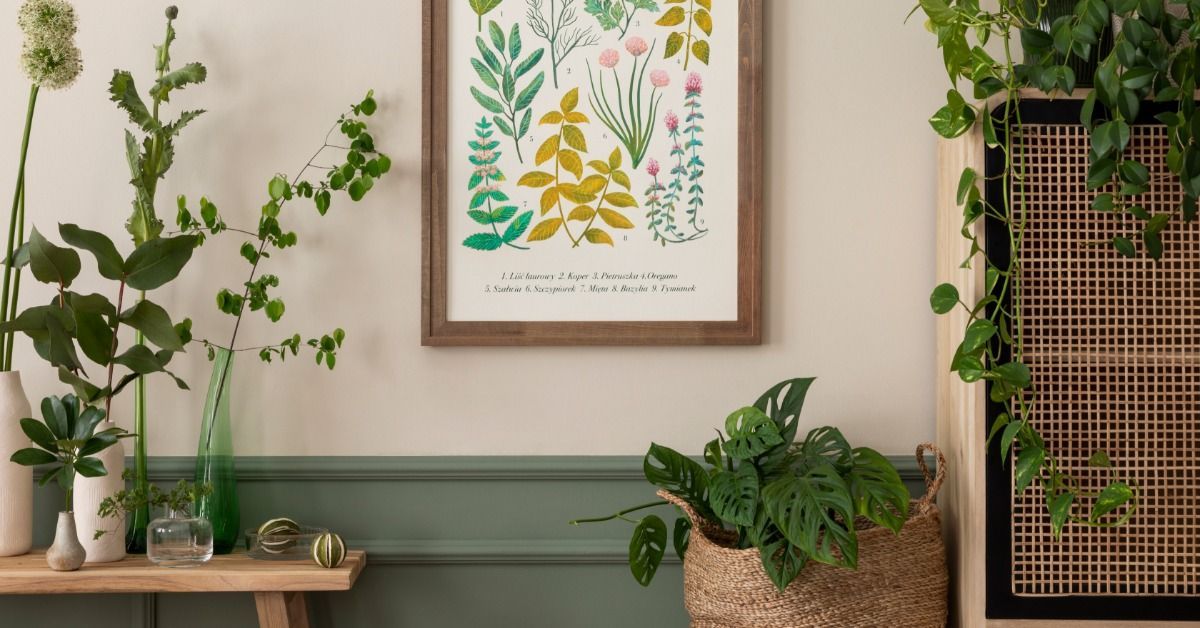
Selecting the material depends on the art style and the room’s decor. For example, wooden frames could tie artwork into the interior design of a rustic home. Determine the look you want to achieve, and choose the material that best aligns with your vision.
Matching the Artwork’s Aesthetic
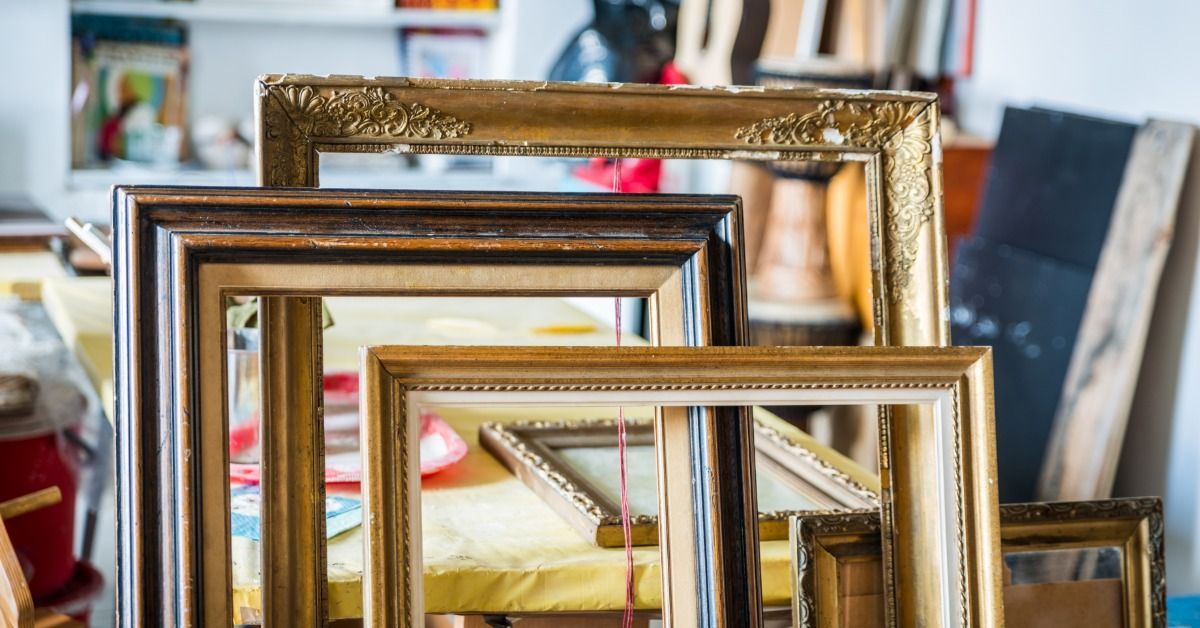
A frame should complement, not compete with, the artwork. Neutral tones often work well with vibrant art, while ornate frames can enhance detailed or historical pieces. You can create an interesting boundary around your artwork by contrasting the art with the frame.
If you want to draw more attention to your artwork, match the frame to the colors of the piece. This creates the illusion that the artwork is expanding beyond the frame. Determine how you want to frame your artwork by considering the aesthetics of the picture.
2. Consider the Frame Size and Proportion
While there are universal sizes for traditional artwork, some pieces are oblong or come in unique dimensions that require a custom frame. Avoid damaging the piece by finding the right frame size. Measure your artwork, and learn about matting to add dimension to your display.
Measuring for the Perfect Fit
Measure the artwork carefully to find the best frame for the piece. For rectangular pieces, find the length and width of the artwork, leaving extra white space to account for the frame. If you’re measuring a circular canvas, measure the diameter of the work, and choose either a rectangular or circular frame that fits its width.
Consider the width of the frame’s border as well; this will influence the overall appearance. Thicker frames may make a bold statement, while slimmer ones offer subtle elegance. A well-fitted frame will show off your artwork without blocking small details around the edges.
Exploring Matting Options
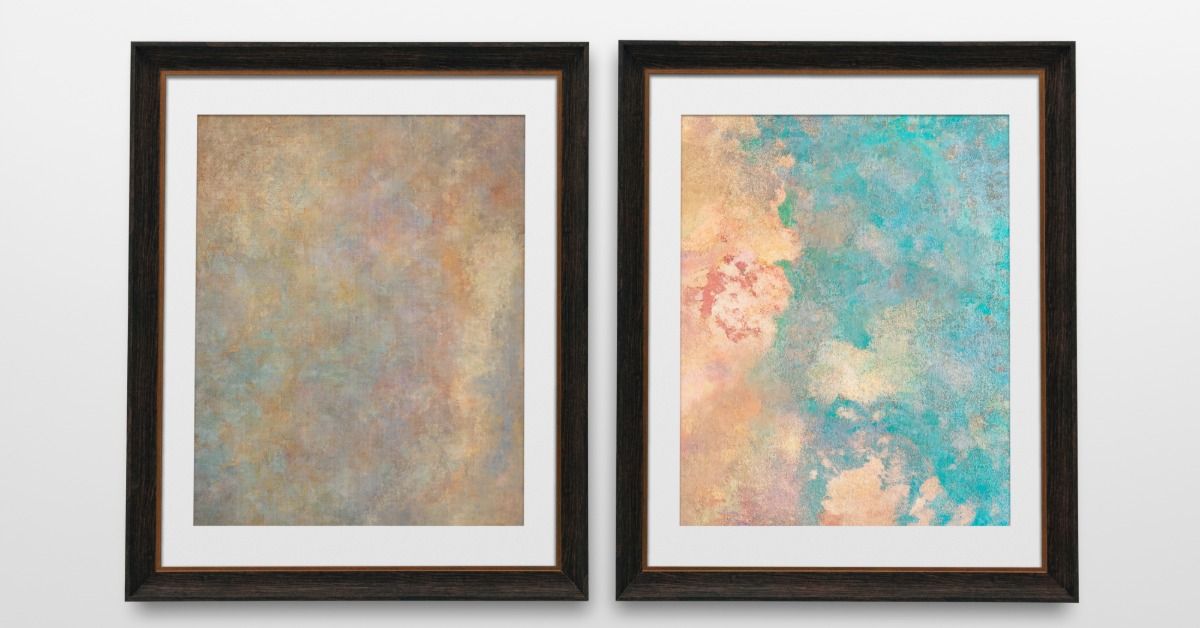
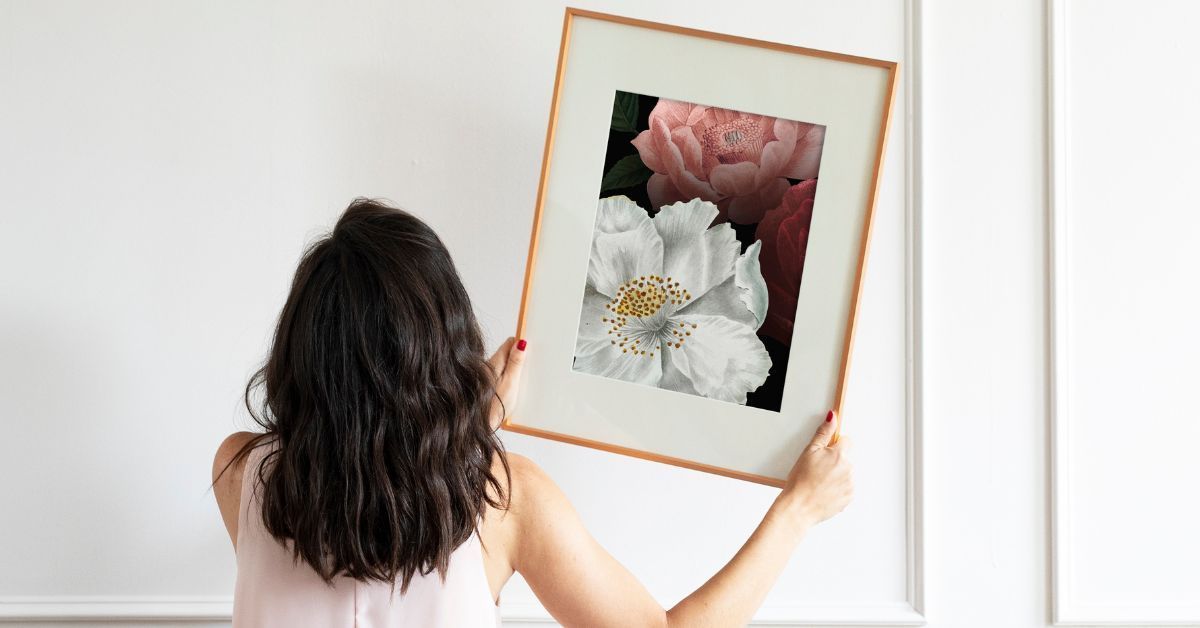
Once you determine the right frame size, add matting to the display to create depth and dimension. This extra layer draws the viewer’s eye to the artwork and adds extra space between the art and the frame.
These mats come in a range of bold and neutral colors. Choose a mat color that complements the art and frame while avoiding stark contrasts that may distract from the piece.
3. Protect Your Art With Proper Glazing
Your artwork may be susceptible to damage from harsh sun rays, especially in bright, sunlit rooms. Something to consider when framing your artwork is how you will preserve its quality over time. To protect your work against dust, moisture, and UV rays, glaze the piece with glass or acrylic.
Selecting Glass vs. Acrylic
Glass and acrylic are popular glazing options for preserving artwork. Glass provides clarity and scratch resistance from external forces. This glaze works well for pieces with vibrant colors and intricate details because it won’t cloud these features, but they are heavier and could undergo moisture damage in areas with high humidity.
While more expensive than glass, acrylic is lightweight and shatterproof. If you have a large art piece, these glazes won’t add extra weight, which makes the piece easier to transport. Pick a glaze that suits the needs of your artwork for the best protection.
Opting for UV Protection
UV rays can harm all kinds of art mediums. Harsh sunlight can cause colors to fade and stain the artwork over time. If you plan to hang your art in a room with a large window, use UV-protective glazing to shield the piece.
4. Position Your Artwork for a Captivating Impression
Pick a room in your home to hang your artwork where it will captivate visitors. Whether you display the piece in your living room, bathroom, or bedroom, choose a space that will fill in the empty gaps without cluttering your decorations.
Finding the Right Wall
Find a wall in your home that allows the artwork to shine without competing distractions. Large empty walls like hallways are great places to hang artwork because people often walk through these areas in your home.
Also, consider the lighting in the space where you want to hang your artwork. Warm lighting often distorts vibrant colors, so it may change how the piece looks to the viewer. Look at your artwork under different lighting to see how it affects the art piece.
Determining Hanging Height
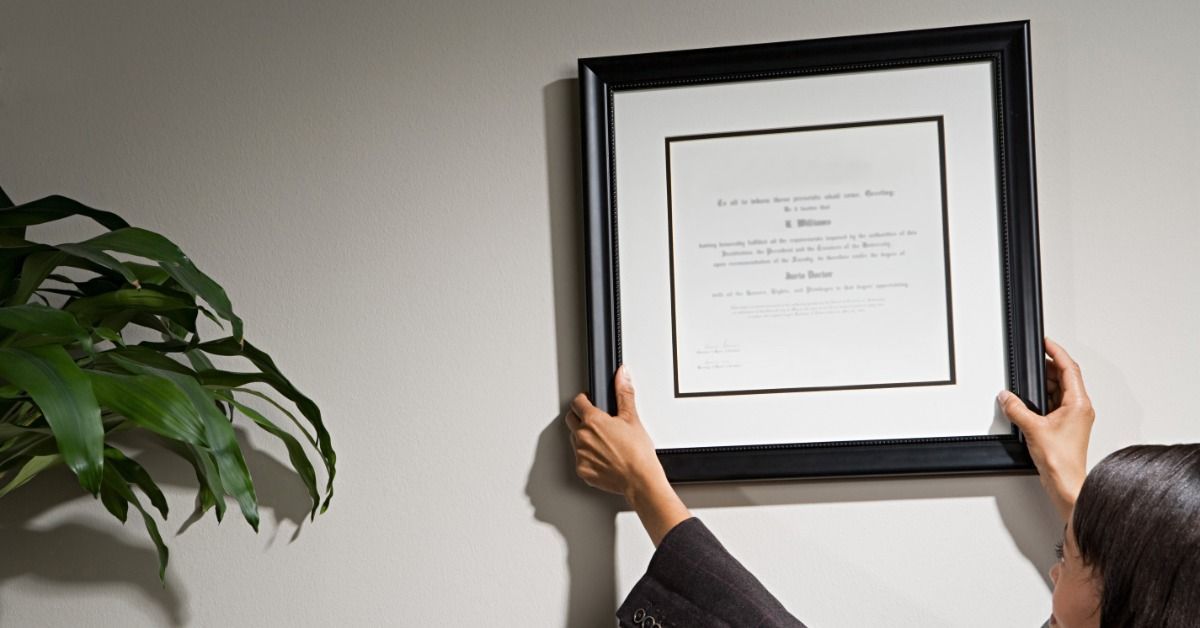
If your artwork is too high or too low, no one will be able to see it! Hang your art at eye level so everyone can see the fine details in the work. A good rule of thumb is to center the artwork at approximately 57 to 60 inches from the floor.
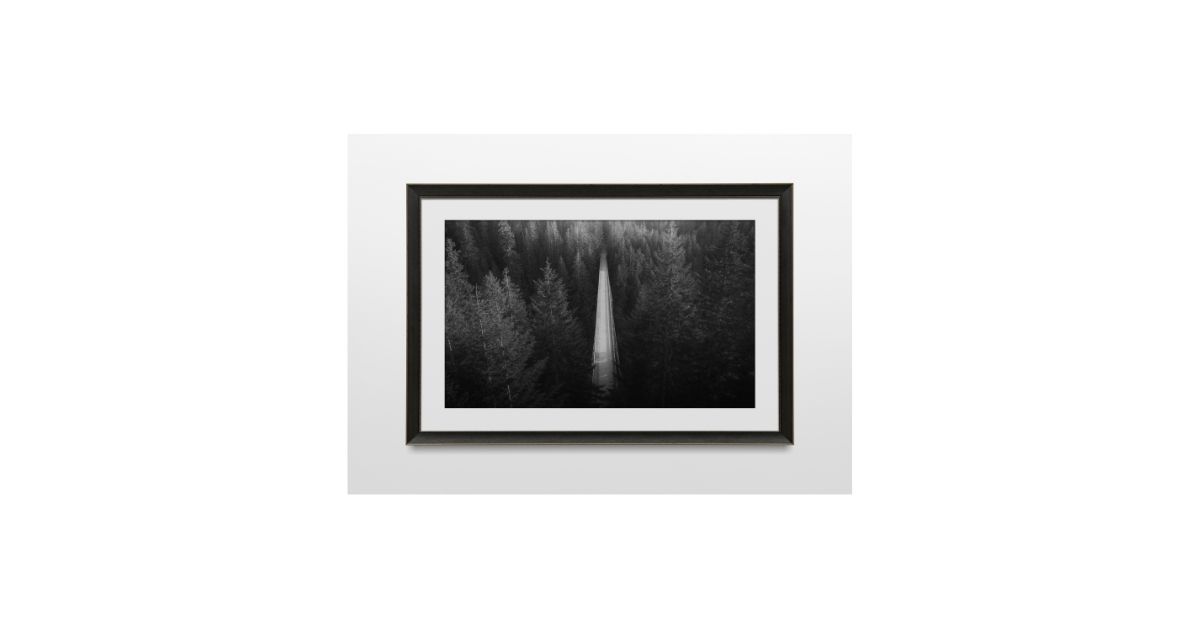
5. Preserve the Longevity of Your Framed Art
Once you hang your picture, be sure to perform routine maintenance to preserve the piece. Incorporate these simple maintenance tasks to reduce dust build-up and keep your art looking vibrant and new.
Regular Cleaning and Maintenance
Dust frames and the glaze regularly with a soft cloth to clear off debris. Avoid using harsh chemicals that could damage the frame or artwork.
Along with cleaning your artwork, check the condition of the frame’s hooks or nails in case the frame starts to slide. Heavy artwork can weaken hanging tools over time. Look out for these signs before your artwork falls off the wall.
Monitoring Environmental Conditions
Keep framed art away from direct sunlight, excess humidity, and drastic temperature changes. These conditions can lead to fading, warping, or mold growth. If you choose to hang your art in a sunlit room, consider drawing the curtains during peak sun to reduce contact with harsh rays.
Choosing the best frame for your artwork requires consideration and care. Pick a frame that encapsulates the intricacies of your piece so that you can showcase it in your home.
If you’re framing a unique piece or need extra guidance, consult with a custom framing shop that will guide you through the process. These experts will help you determine what would work best for your interior design. Discuss your vision with a specialist, and frame your artwork with ease.